
 / ygroup's Library/ Notes/ Layered Lighting Explained: How to Design with Ambient, Task, and Accent Light
Layered Lighting Explained: How to Design with Ambient, Task, and Accent Light
from web site
Lighting is one of the most transformative elements in home design, yet it is often overlooked during remodeling projects. Whether you are planning a Bathroom or a Kitchen Remodeling, understanding how to use layered lighting can elevate your space from ordinary to extraordinary. Layered lighting involves combining three essential types of lighting—ambient, task, and accent—to create a balanced, functional, and visually appealing environment.
What is Layered Lighting?
Layered lighting is a design approach that uses multiple light sources at different levels and intensities to enhance the overall atmosphere and functionality of a room. Instead of relying on a single overhead fixture, layered lighting strategically places various types of lights to serve different purposes. This method not only improves visibility but also adds depth, warmth, and style to your home.
The three main layers of lighting are:
Ambient Lighting: The general, overall illumination of a room.
Task Lighting: Focused lighting for specific activities.
Accent Lighting: Decorative lighting that highlights architectural features or decor.
Ambient Lighting: The Foundation of Your Space
Ambient lighting provides the base layer of light in any room. It ensures that the space is evenly lit and comfortable to move around in. Common sources of ambient light include ceiling-mounted fixtures, chandeliers, recessed lights, and natural light from windows.
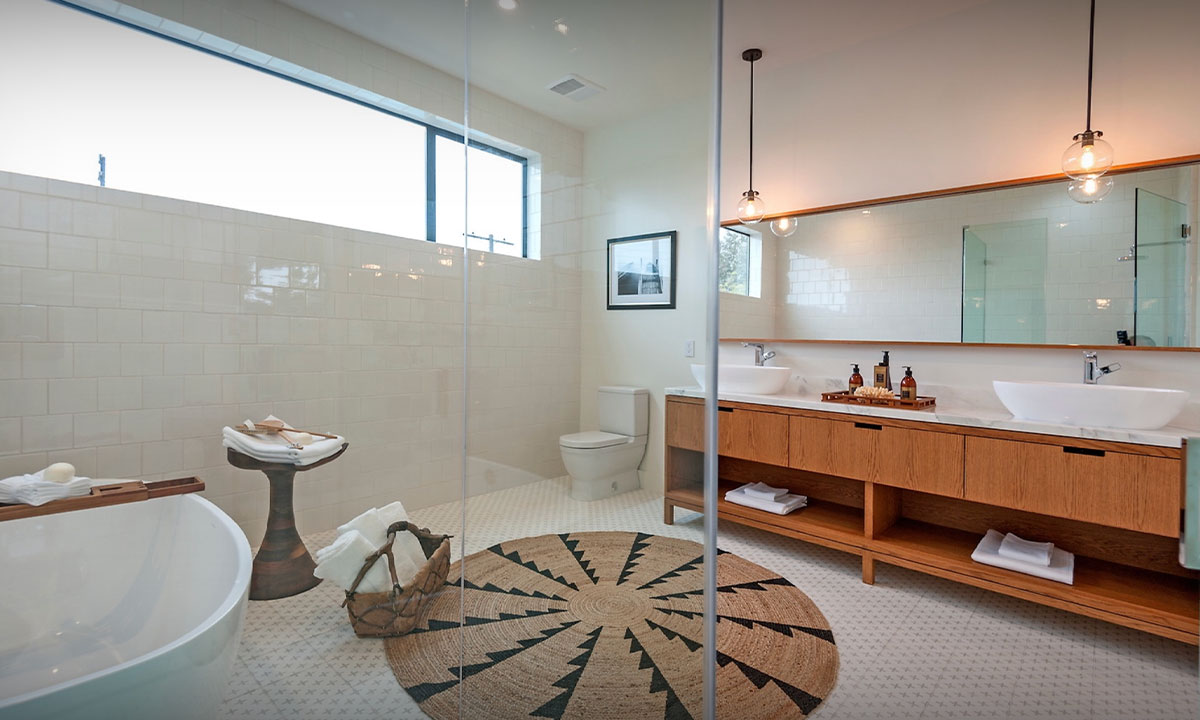
In a Bathroom Remodel in Walnut Creek, ambient lighting is crucial for creating a welcoming and relaxing atmosphere. Soft, diffused light can mimic natural daylight, making the bathroom feel more spacious and serene. Consider installing dimmable LED ceiling lights or frosted glass fixtures to achieve this effect.
For Kitchen Remodeling, ambient lighting sets the tone for the entire kitchen. Bright, even lighting is essential for safety and efficiency, especially in a space where food preparation and cooking take place. Recessed ceiling lights or flush mounts with adjustable brightness are excellent choices to provide consistent ambient light.
Task Lighting: Illuminating Functionality
Task lighting is designed to illuminate specific areas where activities such as reading, cooking, or grooming occur. This type of lighting is brighter and more focused than ambient light, reducing eye strain and improving precision.
In the bathroom, task lighting is often centered around the vanity mirror. Installing wall-mounted sconces or LED strip lights on either side of the mirror can eliminate shadows on your face, making grooming tasks easier and more accurate. For a Bathroom Remodel , incorporating adjustable task lights can add both style and practicality.
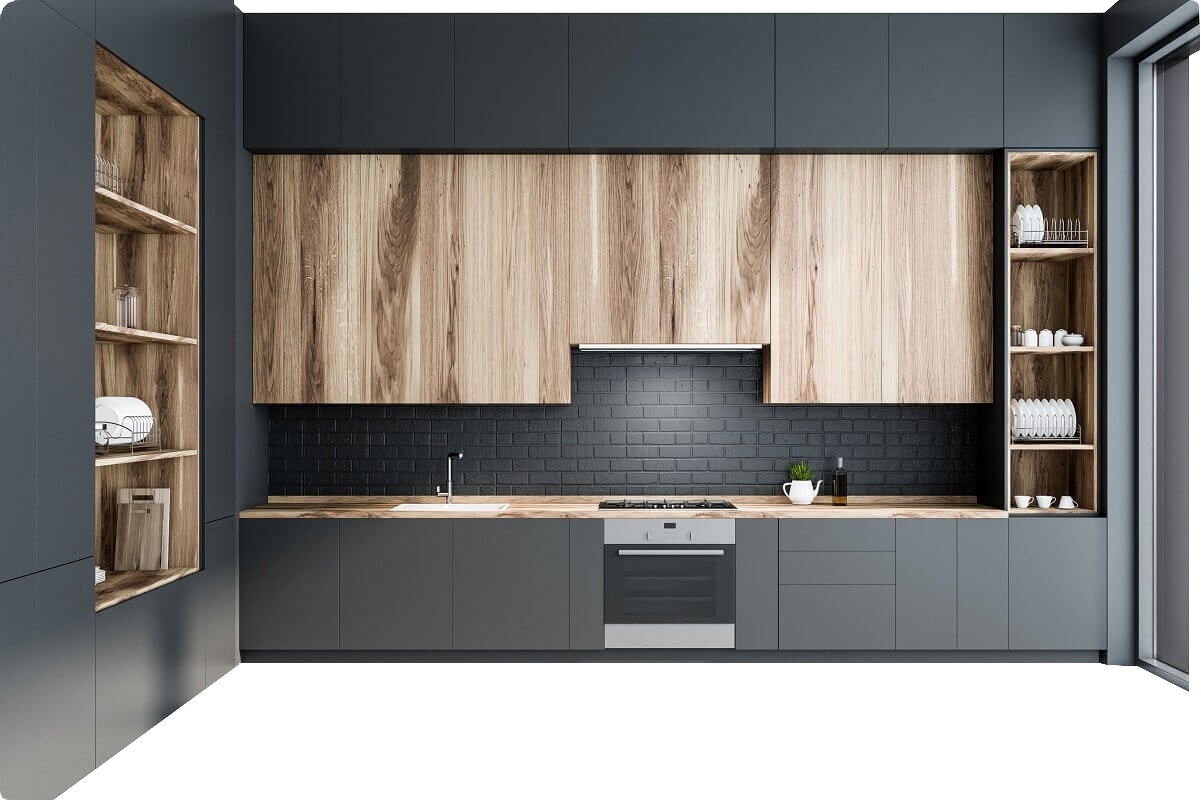
In the kitchen, task lighting is indispensable. Under-cabinet lights, pendant lights over an island, or focused spotlights above the stove and sink provide the necessary illumination for chopping, mixing, and cooking. When planning your Kitchen Remodeling in Livermore, prioritize task lighting to enhance both safety and efficiency.
Accent Lighting: Adding Drama and Depth
Accent lighting is the artistic layer of lighting design. It highlights architectural details, artwork, or decorative elements, adding visual interest and depth to a room. Accent lights are usually brighter than ambient lights but more focused and directional.
In bathrooms, accent lighting can be used to showcase a beautiful tile backsplash, a unique vanity, or even plants and sculptures. LED strip lights hidden under floating vanities or around mirrors can create a luxurious spa-like ambiance, perfect for a Bathroom Remodel.
In kitchens, accent lighting can emphasize open shelving, glass-front cabinets, or a statement backsplash. Pendant lights with decorative shades or track lighting aimed at artwork or cookbooks add personality and warmth to the space. During your Kitchen Remodeling , consider how accent lighting can complement your design theme and highlight your favorite features.
Tips for Designing with Layered Lighting
1. Plan Early: Incorporate lighting design into your remodeling plans from the start. This ensures wiring and fixtures are properly integrated.
2. Use Dimmers: Installing dimmer switches allows you to adjust the intensity of ambient and accent lights, creating the perfect mood for any occasion.
3. Choose Energy-Efficient Fixtures: LED lights are long-lasting, energy-efficient, and available in a variety of styles and color temperatures.
4. Balance Warmth and Brightness: Use warm white lights for cozy, inviting spaces and cooler white lights for task areas requiring clarity.
