


Minimalist Lifestyle Habits That Can Simplify Your Everyday Routine
from web site
Modern life often feels like a constant race—rushing from one task to another, juggling endless responsibilities, and trying to keep up with the pace of the world. In the middle of all this chaos, minimalism offers a refreshing alternative: a slower, simpler, more intentional way to live.
Minimalism isn’t just about owning fewer things—it’s about developing habits that bring clarity, peace, and focus to your daily routine. By embracing minimalist lifestyle habits, you can reduce stress, save time, and create space for the things that truly matter.
Here are some practical minimalist habits that can transform your everyday life.
1. Start Your Day with Intention
How you begin your day sets the tone for everything that follows. Instead of waking up and immediately checking your phone or rushing through a long to-do list, start your morning mindfully.
A minimalist morning routine can be simple yet powerful:
Wake up early and take a few minutes to stretch or meditate.
Write down your top three priorities for the day.
Enjoy a quiet cup of coffee or tea without distractions.
This helps you approach your day with focus rather than chaos. The goal isn’t to do more—it’s to do what truly matters.
2. Simplify Your Wardrobe
A cluttered closet often leads to decision fatigue. One of the most effective minimalist habits is creating a capsule wardrobe—a small collection of versatile, high-quality clothing pieces that you love to wear.
Choose neutral colors and timeless styles that can be mixed and matched easily. By simplifying your wardrobe, you’ll save time each morning, reduce stress, and still look effortlessly put together.
As designer Coco Chanel once said, “Simplicity is the keynote of all true elegance.”
3. Practice the One-Minute Rule
A simple but powerful habit in minimalism is the one-minute rule: if a task takes less than one minute to do, do it immediately.
That could mean hanging up your coat, wiping the counter, or replying to a short email. These small actions prevent clutter—both physical and mental—from building up. Over time, this rule keeps your home and mind organized without extra effort.
4. Declutter as You Go
Instead of waiting for a “spring cleaning” session once a year, make decluttering a daily habit. Each time you notice something you no longer need, put it in a donation box or give it away.
A minimalist home isn’t created in a day—it’s maintained through small, consistent actions. This habit keeps your space fresh and prevents clutter from sneaking back in.
5. Limit Your Digital Noise
Digital clutter can be just as draining as physical clutter. Notifications, social media, and constant emails keep your mind overstimulated. To simplify your digital life:
Turn off non-essential notifications.

Unsubscribe from unnecessary newsletters.
Keep only essential apps on your phone.
Set screen-free times during the day.
A cleaner digital environment helps you stay focused and reduces mental fatigue.
6. Plan Your Day Around Priorities, Not Tasks
A minimalist lifestyle isn’t about doing more—it’s about doing what matters most. Instead of overwhelming yourself with endless to-do lists, focus on your top three priorities each day.
Ask yourself: If I could only accomplish three things today, what would they be?
This question helps you identify what’s truly important and avoid unnecessary busyness.

7. Create Routines, Not Schedules
Routines simplify decision-making and bring structure to your life. Instead of filling every hour with scheduled tasks, create flexible routines that support your goals.
For example:
A morning routine for focus (stretch, read, journal).
An evening routine for relaxation (dim lights, unplug, reflect).
A cleaning routine for maintaining a tidy home (10 minutes daily).
These small, repeated actions build consistency without the stress of rigid scheduling.
8. Embrace Mindful Consumption
Minimalism encourages intentional consumption. Before buying something new, pause and ask:
Do I really need this?
Will it add long-term value to my life?
Could I borrow or repurpose something instead?
Practicing mindful consumption helps you avoid clutter and live more sustainably. It’s not about deprivation—it’s about appreciation. The less you consume mindlessly, the more you value what you already have.
9. Disconnect to Reconnect
One of the most life-changing minimalist habits is unplugging—stepping away from technology to reconnect with yourself and others.
Spend time outdoors, read a book, cook a meal, or have a face-to-face conversation without distractions. These moments of genuine connection create fulfillment that no amount of scrolling can replace.
10. End Your Day with Gratitude
Before you sleep, take a few minutes to reflect on your day. Write down https://thecontinuum-condominium.com/ ’re grateful for or simply think about what went well.
Gratitude is the foundation of minimalism—it shifts your focus from what you lack to what you already have. Over time, this habit fosters contentment, mindfulness, and peace.
Final Thoughts
Minimalism isn’t a drastic lifestyle overhaul—it’s a series of small, mindful habits that make life simpler and more meaningful. By decluttering your home, simplifying your choices, and focusing on what matters most, you create a life filled with purpose rather than possessions.
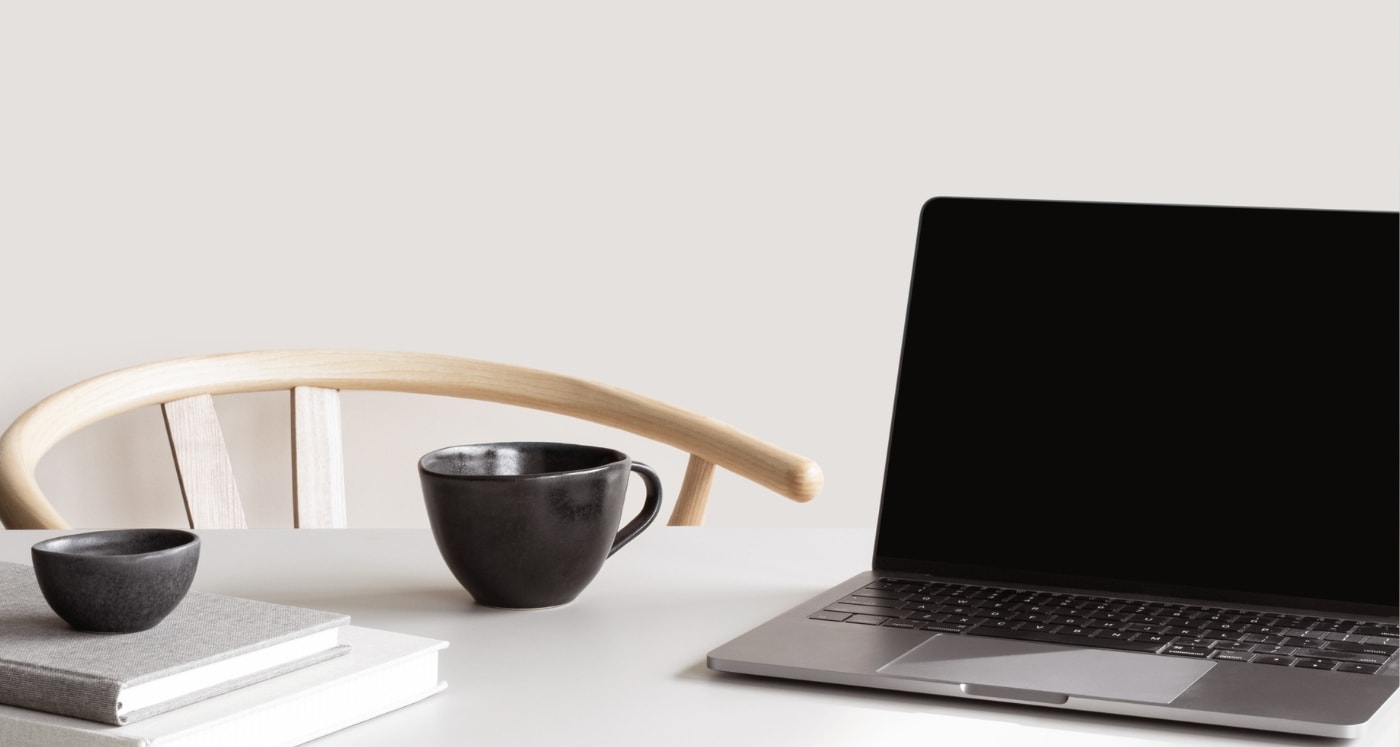
When you adopt minimalist habits, you don’t just free your space—you free your mind. And in that freedom lies the joy of truly living intentionally.
Minimalism isn’t just about owning fewer things—it’s about developing habits that bring clarity, peace, and focus to your daily routine. By embracing minimalist lifestyle habits, you can reduce stress, save time, and create space for the things that truly matter.
Here are some practical minimalist habits that can transform your everyday life.
1. Start Your Day with Intention
How you begin your day sets the tone for everything that follows. Instead of waking up and immediately checking your phone or rushing through a long to-do list, start your morning mindfully.
A minimalist morning routine can be simple yet powerful:
Wake up early and take a few minutes to stretch or meditate.
Write down your top three priorities for the day.
Enjoy a quiet cup of coffee or tea without distractions.
This helps you approach your day with focus rather than chaos. The goal isn’t to do more—it’s to do what truly matters.
2. Simplify Your Wardrobe
A cluttered closet often leads to decision fatigue. One of the most effective minimalist habits is creating a capsule wardrobe—a small collection of versatile, high-quality clothing pieces that you love to wear.
Choose neutral colors and timeless styles that can be mixed and matched easily. By simplifying your wardrobe, you’ll save time each morning, reduce stress, and still look effortlessly put together.
As designer Coco Chanel once said, “Simplicity is the keynote of all true elegance.”
3. Practice the One-Minute Rule
A simple but powerful habit in minimalism is the one-minute rule: if a task takes less than one minute to do, do it immediately.
That could mean hanging up your coat, wiping the counter, or replying to a short email. These small actions prevent clutter—both physical and mental—from building up. Over time, this rule keeps your home and mind organized without extra effort.
4. Declutter as You Go
Instead of waiting for a “spring cleaning” session once a year, make decluttering a daily habit. Each time you notice something you no longer need, put it in a donation box or give it away.
A minimalist home isn’t created in a day—it’s maintained through small, consistent actions. This habit keeps your space fresh and prevents clutter from sneaking back in.
5. Limit Your Digital Noise
Digital clutter can be just as draining as physical clutter. Notifications, social media, and constant emails keep your mind overstimulated. To simplify your digital life:
Turn off non-essential notifications.
Unsubscribe from unnecessary newsletters.
Keep only essential apps on your phone.
Set screen-free times during the day.
A cleaner digital environment helps you stay focused and reduces mental fatigue.
6. Plan Your Day Around Priorities, Not Tasks
A minimalist lifestyle isn’t about doing more—it’s about doing what matters most. Instead of overwhelming yourself with endless to-do lists, focus on your top three priorities each day.
Ask yourself: If I could only accomplish three things today, what would they be?
This question helps you identify what’s truly important and avoid unnecessary busyness.
7. Create Routines, Not Schedules
Routines simplify decision-making and bring structure to your life. Instead of filling every hour with scheduled tasks, create flexible routines that support your goals.
For example:
A morning routine for focus (stretch, read, journal).
An evening routine for relaxation (dim lights, unplug, reflect).
A cleaning routine for maintaining a tidy home (10 minutes daily).
These small, repeated actions build consistency without the stress of rigid scheduling.
8. Embrace Mindful Consumption
Minimalism encourages intentional consumption. Before buying something new, pause and ask:
Do I really need this?
Will it add long-term value to my life?
Could I borrow or repurpose something instead?
Practicing mindful consumption helps you avoid clutter and live more sustainably. It’s not about deprivation—it’s about appreciation. The less you consume mindlessly, the more you value what you already have.
9. Disconnect to Reconnect
One of the most life-changing minimalist habits is unplugging—stepping away from technology to reconnect with yourself and others.
Spend time outdoors, read a book, cook a meal, or have a face-to-face conversation without distractions. These moments of genuine connection create fulfillment that no amount of scrolling can replace.
10. End Your Day with Gratitude
Before you sleep, take a few minutes to reflect on your day. Write down https://thecontinuum-condominium.com/ ’re grateful for or simply think about what went well.
Gratitude is the foundation of minimalism—it shifts your focus from what you lack to what you already have. Over time, this habit fosters contentment, mindfulness, and peace.
Final Thoughts
Minimalism isn’t a drastic lifestyle overhaul—it’s a series of small, mindful habits that make life simpler and more meaningful. By decluttering your home, simplifying your choices, and focusing on what matters most, you create a life filled with purpose rather than possessions.
When you adopt minimalist habits, you don’t just free your space—you free your mind. And in that freedom lies the joy of truly living intentionally.
