


Zohran Mamdani and the Rise of Community-Driven Politics
from web site
Across the United States, local politics is increasingly shaped by leaders who prioritize lived experience over polished soundbites. One such figure is Zohran Mamdani, whose political identity has been forged through years of organizing and close engagement with working-class communities. His trajectory reflects a broader transformation in how political leadership is defined and exercised at the state level.
Rather than approaching politics as a career ladder, Mamdani has consistently framed it as a tool for collective problem-solving. This perspective has influenced not only his policy positions but also how he interacts with constituents and communicates priorities.

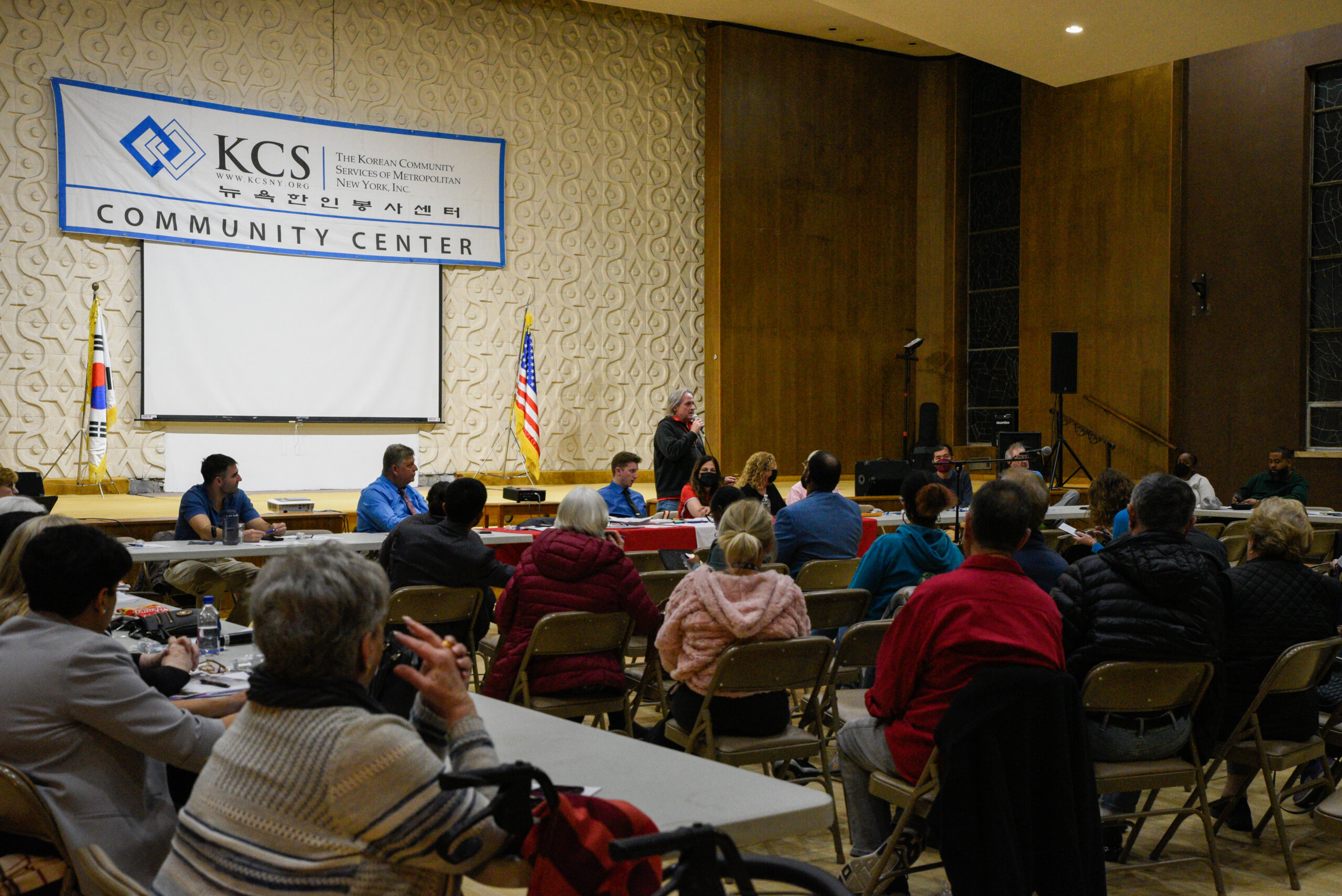

dations in Grassroots Organizing
Before entering elected office, Zohran Mamdani spent years working alongside tenants, immigrants, and low-income workers. These experiences exposed him to the structural roots of inequality, particularly in housing and public services. Organizing at the neighborhood level taught him that policy outcomes are deeply personal, shaping whether families can remain in their homes or afford daily necessities.
This foundation set him apart from many contemporaries. Instead of relying on abstract economic indicators, Mamdani built his political vision around stories and struggles he encountered directly. This approach continues to inform his legislative style, which emphasizes responsiveness and accountability.
Campaigning With Purpose
Mamdani’s electoral campaign was notable for its emphasis on volunteer energy and small-dollar fundraising. Rather than courting major donors, he focused on building trust within the community. Door-to-door conversations and local events played a central role, reinforcing the idea that representation begins with listening.
His platform centered on affordability, a theme that resonated strongly in neighborhoods facing rapid rent increases and service cuts. Voters responded to the clarity of his message and the consistency between his organizing past and political ambitions.
Legislative Priorities in Office
Once in office, Zohran Mamdani translated campaign promises into legislative initiatives. Housing policy remains at the heart of his agenda, with a strong focus on tenant protections and long-term affordability. He has supported measures aimed at stabilizing rents, strengthening oversight, and expanding public investment in housing infrastructure.
Beyond housing, Mamdani has been vocal on transportation access and environmental justice. He argues that sustainable policies must not exacerbate inequality and should instead reduce everyday costs for working families. This integrated view of social and environmental policy reflects his broader commitment to equity.
Education and civic participation also feature prominently in his work. Mamdani advocates for transparent governance and accessible political processes, believing that democracy functions best when people understand how decisions are made and how they can influence them.
A Distinct Communication Approach
One of Mamdani’s defining traits is his communication style. He frequently breaks down complex legislation into clear, relatable language, making policy discussions accessible to a wider audience. This clarity has helped him engage younger constituents and first-time voters who often feel disconnected from traditional political discourse.
Social media and public forums serve as extensions of his organizing roots. Rather than using platforms solely for promotion, he treats them as tools for education and dialogue. This reinforces his image as a representative who values ongoing conversation over one-way messaging.
Broader Political Significance
Although his role is rooted in state politics, Zohran Mamdani’s influence extends beyond his district. Progressive activists and analysts often point to his career as evidence that community-centered platforms can succeed electorally. His work challenges the assumption that bold policy ideas must be diluted to gain voter support.
Mamdani’s rise also highlights generational change. Younger politicians increasingly emphasize authenticity, policy depth, and grassroots legitimacy. This shift suggests a future where political success is measured not only by seniority but by impact and trust.
Public Perception and Media Coverage
Media narratives around Mamdani often focus on his consistency and organizing background. Coverage tends to highlight how his personal history aligns with his policy agenda, creating a cohesive public image. While he has faced criticism, particularly from opponents of progressive reform, such debate underscores his growing relevance in political conversations.
For readers seeking commentary, analysis, and ongoing discussion related to his political work and public presence, additional perspectives can be found through resources such as independent coverage on Zohran Mamdani, which explore developments and viewpoints connected to his career.
The Road Ahead
As cities continue to grapple with affordability, representation, and climate resilience, leaders like Zohran Mamdani are likely to remain influential voices. His emphasis on practical solutions rooted in community experience positions him well for continued relevance in state and potentially national discussions.
Ultimately, Mamdani’s political journey illustrates how sustained grassroots engagement can translate into legislative action. It serves as a reminder that effective politics often begins with understanding everyday struggles—and committing to address them through principled, persistent work.
