
 / orbitbriefnews's Library/ Notes/ The ICE Crackdown: What It Means for Communities, Law, and the Future of Immigration
The ICE Crackdown: What It Means for Communities, Law, and the Future of Immigration
from web site
Understanding What an ICE Crackdown Really Is
An ICE crackdown refers to a period of intensified enforcement actions carried out by U.S. Immigration and Customs Enforcement, often involving increased arrests, raids, detentions, and deportations of undocumented immigrants. These crackdowns are usually driven by shifts in political priorities, public pressure around border security, or specific executive directives. While the term “crackdown” sounds sudden and dramatic, it typically reflects a broader strategy that has been building over time through policy changes, funding decisions, and enforcement guidelines. For many Americans, especially those living in immigrant-rich communities, an ICE crackdown is not just a headline but a lived reality that shapes daily choices, from whether to go to work to whether to send children to school. Supporters often argue that strict enforcement is necessary to uphold the rule of law and deter illegal entry, while critics see it as a blunt tool that overlooks human complexity and due process.
How Crackdowns Are Carried Out on the Ground
On the operational level, ICE crackdowns usually involve coordinated efforts between federal agents and sometimes local law enforcement, although cooperation varies by jurisdiction. Agents may conduct targeted arrests based on existing deportation orders, criminal records, or immigration violations, or they may engage in broader workplace inspections and community operations. These actions can happen quietly through database checks and traffic stops, or dramatically through visible raids that draw media attention. What makes these operations controversial is not only their scale but also their ripple effects: families separated overnight, employers suddenly short-staffed, and entire neighborhoods plunged into fear and uncertainty. Even immigrants with legal status may feel the pressure, as documentation errors or misunderstandings can become high-stakes in a climate of heightened enforcement.
The Human Impact Beyond the Numbers
While statistics about arrests and deportations dominate public discussion, the deeper impact of an ICE crackdown is felt in less quantifiable ways. Children may return from school to find a parent missing, unsure if they will ever reunite. Small businesses in immigrant communities can suffer when customers stay home out of fear, and local economies feel the slowdown. Mental health consequences are also significant, with anxiety and depression rising among families who live under constant threat of separation. At the same time, community organizations and faith groups often mobilize to provide legal aid, emergency housing, and emotional support, creating a parallel network of resilience that rarely gets the same attention as enforcement actions themselves.
Legal and Political Debates Around Enforcement ICE crackdown
The ICE crackdown sits at the heart of a broader debate about immigration policy in the United States. Advocates of strict enforcement argue that without visible consequences, immigration laws lose credibility, encouraging further violations and undermining fairness to those who follow legal pathways. They also point to cases involving serious crimes to justify aggressive action. Opponents counter that most undocumented immigrants are law-abiding, contributing members of society who are deeply embedded in American life, and that mass enforcement wastes resources better spent on targeting genuine security threats. Legally, crackdowns raise questions about due process, the use of detention, access to legal representation, and the limits of federal power, especially in states and cities that resist cooperation through so-called “sanctuary” policies.
The Role of Media and Public Perception
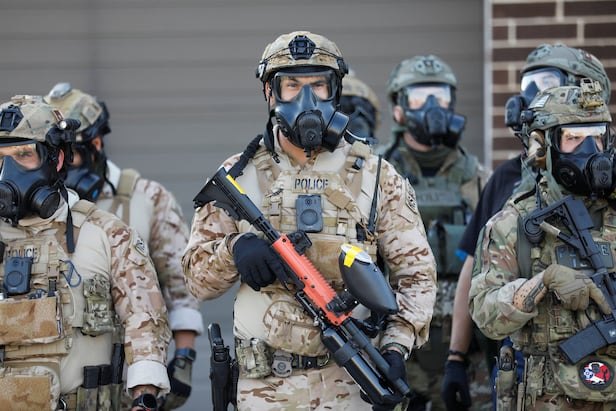
Public understanding of an ICE crackdown is heavily shaped by how media outlets choose to frame it. Images of agents in tactical gear can create a sense of crisis and urgency, while stories focused on family separations evoke empathy and outrage. Social media amplifies both reactions, often simplifying complex legal and moral issues into emotionally charged narratives. This polarization can make constructive dialogue difficult, as people retreat into camps defined more by ideology than by careful consideration of evidence and outcomes. Yet, these conversations are crucial, because public opinion directly influences elections, legislation, and ultimately how immigration enforcement evolves.
Looking Ahead: Is There Another Way?
The future of ICE crackdowns will depend on whether policymakers can move beyond cycles of leniency and severity toward a more balanced, sustainable approach to immigration. Many experts argue for comprehensive reform that combines border management, updated visa systems, pathways to legal status for long-term residents, and focused enforcement on genuine threats rather than broad sweeps. Without such reform, crackdowns are likely to continue as temporary fixes that address symptoms rather than root causes. In the end, the debate over ICE enforcement is not just about who is allowed to stay or go, but about what kind of society the United States wants to be: one defined primarily by exclusion and control, or one that seeks order while still making room for compassion and human dignity.
