
 / orbitbriefnews's Library/ Notes/ FAA Warning: What It Means, Why It Matters, and How It Affects You
FAA Warning: What It Means, Why It Matters, and How It Affects You
from web site
Understanding the Meaning of an FAA Warning
An FAA Warning refers to an official notice or advisory issued by the Federal Aviation Administration of the United States to highlight potential safety, regulatory, or operational concerns in aviation. Although many people only hear about the FAA when something goes wrong with an airplane, the agency’s warnings are actually part of a proactive safety culture designed to prevent accidents before they happen. An FAA warning can apply to airlines, aircraft manufacturers, airports, drone operators, or even individual pilots. These warnings are not always dramatic headlines about planes being grounded; more often, they are technical or procedural alerts meant to correct issues early. In simple terms, an FAA warning is a signal that something needs attention now so that it does not turn into a serious problem later. This early-warning approach is one of the main reasons commercial aviation remains one of the safest forms of transportation in the world.
Why the FAA Issues Warnings
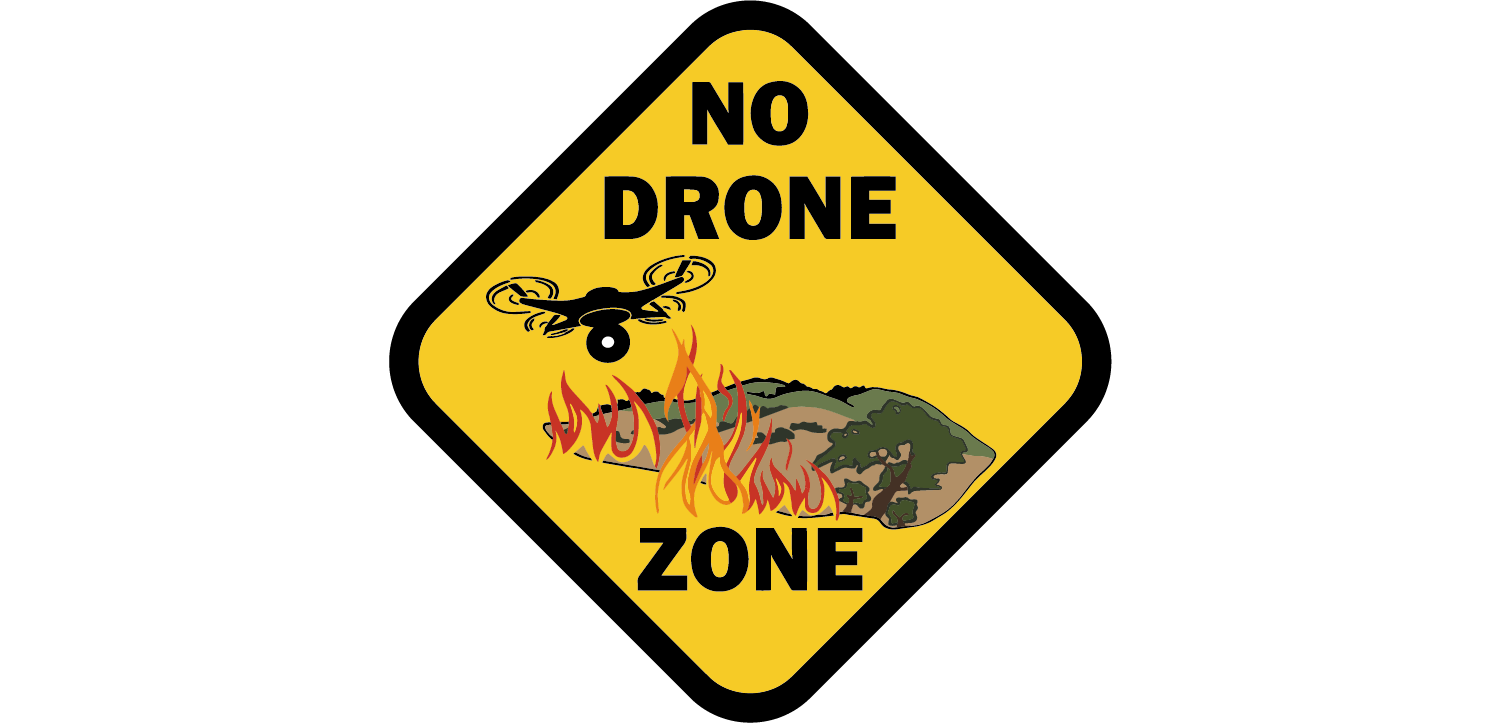
The FAA issues warnings for several reasons, all connected to maintaining safety and compliance. One common reason is the discovery of a mechanical or design flaw in an aircraft or one of its components, such as engines, navigation systems, or structural parts. In these cases, the FAA may issue an Airworthiness Directive or a safety bulletin warning operators to inspect, repair, or replace specific parts. Another reason involves operational or procedural issues, for example when pilots or air traffic controllers are found to be using outdated methods or misinterpreting rules, which could increase risk in busy airspace. The FAA also issues warnings related to weather hazards, cybersecurity threats, and even wildlife risks near airports. In the rapidly growing field of drones, FAA warnings often target unauthorized flights near airports or over crowds, reminding operators of the legal and safety boundaries they must respect.
How FAA Warnings Impact Airlines and Pilots
For airlines and pilots, an FAA warning is not something that can be ignored or treated lightly. When a warning is issued, airlines usually must respond quickly by conducting inspections, updating procedures, or retraining staff. For example, if the FAA identifies a potential issue with a particular aircraft model, airlines operating that model may be required to temporarily ground their planes or limit their use until the issue is resolved. Pilots, on the other hand, might receive updated guidance on how to handle specific in-flight situations or changes in communication protocols. While this may sound disruptive, these steps are essential in preventing accidents and building trust between regulators, airlines, and passengers. In fact, many aviation professionals see FAA warnings not as punishments but as helpful tools that allow them to improve safety before a serious incident occurs.
The Role of FAA Warnings in Public Safety FAA Warning
FAA warnings are not just about internal aviation operations; they also play a vital role in protecting the public. When an FAA warning becomes public, it can influence travel decisions, airline reputations, and even stock markets. For instance, if the FAA warns about potential issues with a popular aircraft model, passengers may feel uneasy about flying on that plane, even if the actual risk remains low. However, transparency is a strength rather than a weakness, because it shows that authorities are actively monitoring and addressing risks instead of hiding them. Over time, this openness builds confidence in the aviation system as a whole. The public may not always understand the technical details, but knowing that a strong regulatory body is watching over the skies provides reassurance that safety is being taken seriously.
FAA Warnings in the Age of Modern Aviation
Modern aviation is far more complex than it was a few decades ago, and this has changed the nature of FAA warnings. Today, warnings are not limited to mechanical faults but extend to digital systems, satellite navigation, and even artificial intelligence used in flight management. Cybersecurity has become a major concern, with FAA warnings increasingly addressing vulnerabilities in communication and data systems that could, in theory, be exploited. At the same time, the rise of commercial drones and urban air mobility vehicles has forced the FAA to issue new types of warnings related to low-altitude airspace and shared skies. This evolution shows that FAA warnings are not static documents but living tools that adapt to new challenges in aviation.
Why FAA Warnings Matter to Everyday Travelers
For most travelers, an FAA warning might seem distant or overly technical, but it actually affects the flying experience in many subtle ways. Delays, cancellations, or last-minute aircraft changes often happen because an FAA warning has prompted airlines to double-check something or fix a potential issue. While this can be frustrating, it is far better than the alternative of ignoring a risk and facing a serious accident. Understanding this can help passengers see delays not just as inconveniences but as signs that safety is being prioritized. In the bigger picture, FAA warnings are one of the invisible forces working behind the scenes to make air travel reliable and secure.
Conclusion
An FAA warning is much more than a bureaucratic notice; it is a critical part of a global safety system that keeps millions of people safe in the air every day. By identifying risks early, guiding corrective actions, and adapting to new aviation technologies, FAA warnings help prevent small issues from becoming major disasters. Whether you are a pilot, an airline employee, or simply a passenger, these warnings serve as reminders that aviation safety is built on constant vigilance, communication, and improvement. In a world where air travel connects countries and cultures, FAA warnings quietly ensure that those connections remain as safe as possible.
