
 / orbitbriefnews's Library/ Notes/ China's Marriage Rebound: Signals of Change in a Shifting Society
China's Marriage Rebound: Signals of Change in a Shifting Society
from web site
A Modest Recovery After Years of Decline
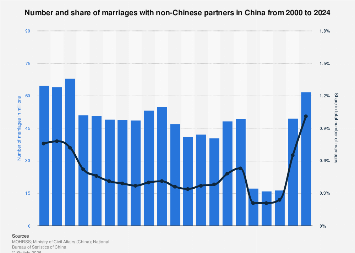
In recent years, China has experienced a notable rebound in marriage registrations after a prolonged period of decline, drawing attention from demographers, policymakers, and the public alike. For nearly a decade, the number of newly registered marriages fell steadily due to economic pressures, changing social values, delayed life milestones, and the impact of the COVID-19 pandemic. However, recent official data has shown a modest but meaningful increase in marriage registrations, suggesting a potential turning point. While the rebound does not erase long-term demographic challenges, it indicates that social behavior may be responding to improved conditions and targeted policy efforts. This shift is being closely watched because marriage rates in China are deeply linked to birth rates, population stability, and broader economic planning.
Economic Recovery and Improved Stability
One of the key drivers behind the marriage rebound is improving economic stability following pandemic-related disruptions. As employment prospects gradually strengthened and business activity normalized, young adults gained more confidence in planning long-term commitments. In China, marriage is often closely tied to financial readiness, including stable income, housing, and the ability to support a family. Rising wages in some urban areas, easing of job market uncertainty, and government measures to support first-time homebuyers have reduced some of the financial anxiety that previously led many couples to postpone or abandon marriage plans. Although housing prices remain high in major cities, incremental improvements in affordability and access to loans have played a role in restoring confidence among prospective couples.
Policy Support and Administrative Changes
Government policies have also contributed to the rebound by making marriage more accessible and socially encouraged. Local governments across China have simplified marriage registration procedures, reduced bureaucratic barriers, and in some cases extended office hours or offered online appointment systems. These practical steps have made it easier for couples to formalize their relationships. In addition, public campaigns promoting family values and stable partnerships have aimed to reshape perceptions around marriage without overt pressure. Some regions have introduced incentives such as housing subsidies, childcare support, or extended parental leave, signaling that marriage and family formation are once again priorities within national development strategies. While such policies alone cannot reverse deep social trends, they have helped create a more supportive environment.
Changing Attitudes Among Younger Generations China marriage rebound
The rebound also reflects evolving attitudes among younger generations, who are navigating a balance between individual freedom and traditional expectations. For years, many young Chinese adults delayed marriage in favor of education, career development, or personal growth, challenging older norms that prioritized early marriage. Recently, however, there has been a subtle shift, with some young people reassessing the emotional and practical benefits of long-term partnership, especially after the isolation experienced during the pandemic. Marriage is increasingly viewed not just as a social obligation, but as a source of mutual support in an uncertain world. This reframing has encouraged some couples who were previously hesitant to move forward.
Implications for Birth Rates and Demographics
The marriage rebound has important implications for China’s broader demographic outlook, particularly in relation to declining birth rates and an aging population. Since most births in China occur within marriage, even a modest increase in marriages can have a positive effect on fertility trends over time. However, experts caution that the rebound alone is unlikely to produce a dramatic population turnaround. Couples continue to have fewer children due to high living costs, work-life pressures, and changing personal priorities. Nonetheless, rising marriage numbers provide a foundation for future family growth and offer policymakers a window of opportunity to strengthen family-support systems.
A Cautious but Meaningful Trend
Overall, China’s marriage rebound represents a cautious but meaningful shift rather than a full-scale recovery. It highlights the complex interaction between economic conditions, social values, and policy interventions in shaping personal life choices. While long-term challenges remain, the recent increase in marriage registrations suggests that with sustained support, social confidence, and adaptable policies, marriage may regain some of its lost momentum. For China, this trend is not just about personal relationships, but about the future structure and stability of society itself.
