
 / orbitbriefnews's Library/ Notes/ India–EU Trade Deal: A Strategic Partnership Shaping the Future of Global Commerce
India–EU Trade Deal: A Strategic Partnership Shaping the Future of Global Commerce
from web site
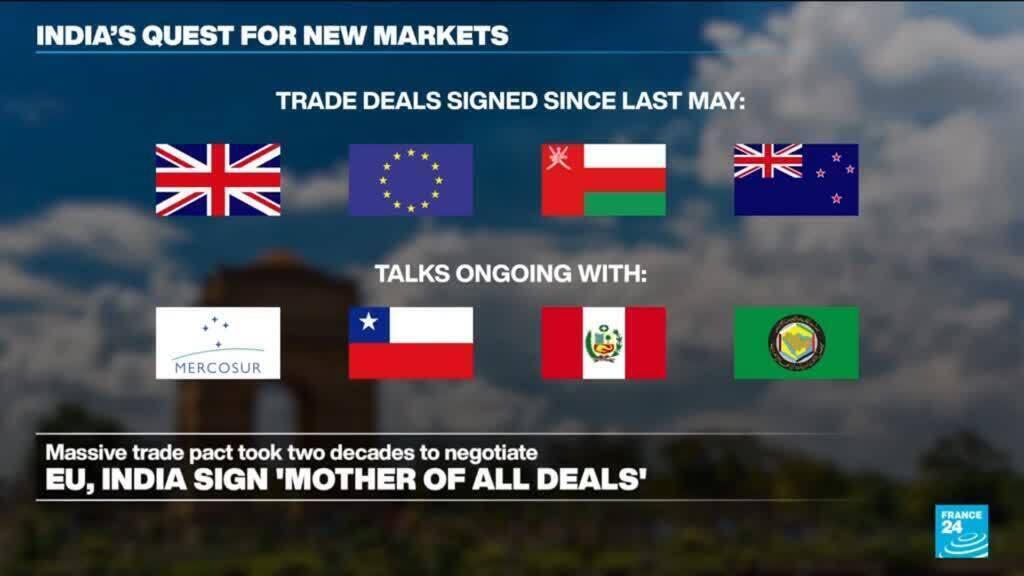
The proposed India–European Union trade deal, formally referred to as the India–EU Free Trade Agreement (FTA), represents one of the most significant economic negotiations in the current global trade landscape. India and the European Union are two of the world’s largest economic blocs, with deep-rooted political, cultural, and commercial ties. Together, they account for a substantial share of global GDP, trade flows, and consumer markets. The trade deal aims to strengthen bilateral economic relations by reducing trade barriers, improving market access, and creating a more predictable and transparent framework for businesses on both sides. At a time when global supply chains are being reshaped due to geopolitical tensions and economic uncertainty, this agreement holds strategic importance for both partners.
Key Objectives and Areas of Negotiation
The primary objective of the India–EU trade deal is to boost bilateral trade and investment by lowering tariffs and addressing non-tariff barriers. Negotiations cover a wide range of sectors, including goods, services, investment protection, intellectual property rights, digital trade, and sustainable development. For India, gaining improved access to the EU market for textiles, pharmaceuticals, agricultural products, and information technology services is a major priority. On the other hand, the European Union is keen on expanding opportunities for its automobiles, machinery, wines and spirits, and high-end manufactured goods in the Indian market. Services liberalization, particularly in areas such as finance, telecommunications, and professional mobility, is also a crucial aspect of the talks.
Economic Benefits for India
For India, the trade deal has the potential to act as a catalyst for economic growth, job creation, and technological advancement. Enhanced access to the EU’s large and affluent consumer base could significantly boost Indian exports, especially for labor-intensive industries like textiles, leather, and handicrafts. The agreement is also expected to attract greater foreign direct investment from European companies seeking to diversify their supply chains and tap into India’s growing domestic market. Additionally, exposure to European standards and best practices could help Indian industries improve quality, productivity, and environmental sustainability, making them more competitive in global markets.
Advantages for the European Union
The European Union stands to gain equally from a comprehensive trade India‑EU trade deal agreement with India. As one of the fastest-growing major economies, India offers immense opportunities for European exporters and investors. Reduced tariffs and clearer regulatory frameworks would make it easier for European firms to operate in India, particularly in sectors such as renewable energy, infrastructure, advanced manufacturing, and digital services. The deal also aligns with the EU’s broader strategy of strengthening partnerships in the Indo-Pacific region and reducing overdependence on a limited number of global suppliers.
Challenges and Points of Disagreement
Despite the strong potential benefits, negotiations have faced several challenges over the years. Differences remain on issues such as tariff reductions, data protection, labor and environmental standards, and intellectual property rights. India has expressed concerns about the impact of strict EU regulations on its small and medium-sized enterprises, while the EU has sought stronger commitments on sustainability and market openness. Balancing economic ambitions with domestic sensitivities has made the negotiation process complex and time-consuming, requiring careful compromise from both sides.
Strategic and Global Significance
Beyond economics, the India–EU trade deal carries significant geopolitical and strategic implications. It reflects a shared commitment to rules-based international trade, democratic values, and multilateral cooperation. In an era of rising protectionism and fragmented trade alliances, a successful agreement would send a strong signal about the importance of open markets and global collaboration. It could also serve as a foundation for deeper cooperation in areas such as climate change, digital governance, and supply chain resilience.
Conclusion
The India–EU trade deal has the potential to redefine economic relations between two major global players and create long-term benefits for businesses, consumers, and workers on both sides. While challenges remain, continued dialogue and mutual understanding can pave the way for a balanced and forward-looking
