


Hamas Police: Structure, Role, and Controversy in Gaza
from web site
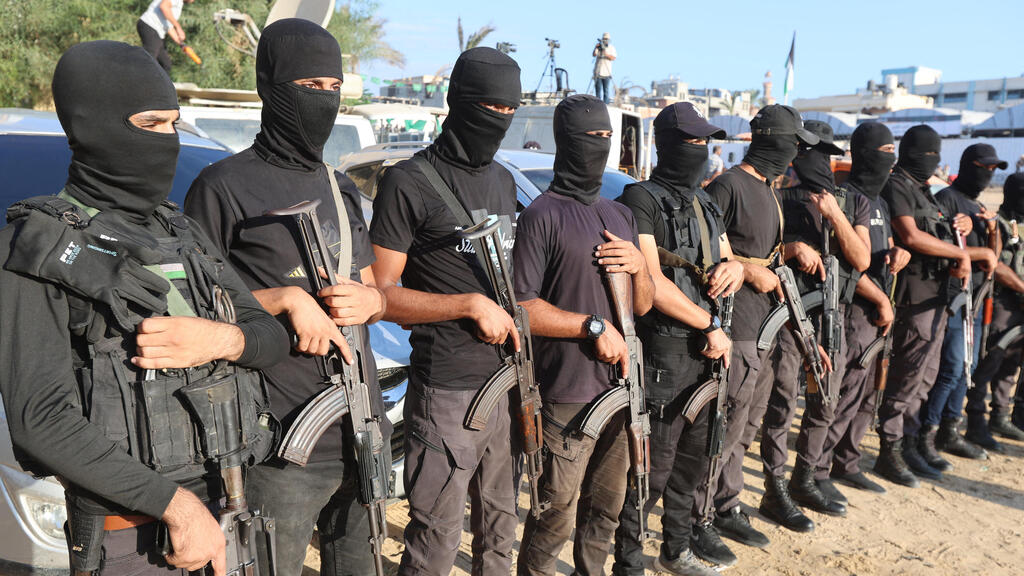
consolidated control over the Gaza Strip in 2007. With governance came the need for internal security, law enforcement, and public order, and Hamas moved to build police and security institutions separate from those previously linked to the Palestinian Authority. These forces were designed to project authority, manage daily civilian life, and enforce regulations within Gaza. Over time, the Hamas police became a visible symbol of Hamas’s control, operating checkpoints, patrolling neighborhoods, and handling routine policing tasks. Their development occurred under difficult conditions, shaped by political isolation, internal Palestinian divisions, and ongoing conflict with Israel, all of which influenced how the force was structured and how it operated on the ground.
Organizational Structure and Responsibilities Hamas police
The Hamas police are part of a broader internal security apparatus that includes civil police, internal security services, and specialized units responsible for border control and crowd management. At the surface level, uniformed officers perform duties similar to police elsewhere, such as traffic control, crime prevention, dispute mediation, and the protection of public institutions. Administratively, the force answers to Hamas’s Interior Ministry in Gaza, which oversees recruitment, training, and discipline. While the police handle civilian matters, other security branches deal with intelligence and counter-espionage, creating a layered system of control. This structure allows Hamas to maintain order while also monitoring potential threats to its rule, blending conventional policing with political security concerns.
Daily Policing and Civil Administration
In everyday life, the Hamas police interact frequently with Gaza’s civilian population. Officers regulate markets, respond to theft and family disputes, and manage public events, attempting to present themselves as providers of stability in a densely populated and economically strained territory. Courts linked to the Hamas-run administration work alongside the police, applying a mix of Palestinian law and interpretations influenced by Islamic legal principles. Supporters argue that this system offers predictability and order amid hardship, while critics claim it lacks transparency and independence. Regardless of perspective, the police play a central role in civil administration, filling a governance vacuum that might otherwise deepen social disorder.
Training, Resources, and Constraints
Training for Hamas police officers is conducted locally and focuses on discipline, crowd control, and basic investigative methods, though resources are limited. The ongoing blockade of Gaza has restricted access to equipment, vehicles, and modern technology, forcing the police to operate with shortages that affect effectiveness. Salaries are often irregular, depending on Hamas’s financial situation, which is influenced by regional politics and external pressure. Despite these constraints, the police maintain a constant presence, relying on local knowledge and community networks rather than advanced tools. These limitations shape a force that is functional but under strain, adapting to circumstances rather than operating at an international standard.
Controversies and Human Rights Concerns
The Hamas police have been the subject of significant controversy, particularly regarding allegations of political repression and human rights abuses. Human rights organizations have accused the force of suppressing dissent, restricting freedom of expression, and using detention practices that fall short of international norms. Hamas officials reject many of these claims, arguing that strict measures are necessary to maintain security under exceptional conditions. The tension between security and civil liberties remains a defining issue, as the police operate in a context where political opposition, armed conflict, and internal instability intersect. These controversies contribute to international scrutiny and shape global perceptions of governance in Gaza.
Role in the Broader Conflict
Beyond routine policing, the existence of the Hamas police is inseparable from the wider Israeli-Palestinian conflict. Israel and several other countries view Hamas as a militant organization, and this designation affects how any Hamas-run institution is perceived. During periods of escalation, police facilities and personnel have sometimes been affected by military actions, blurring the line between civilian law enforcement and security infrastructure. For Gaza’s residents, the police represent both authority and vulnerability, tasked with maintaining order while operating under the constant shadow of conflict. As long as Gaza’s political situation remains unresolved, the Hamas police will continue to function as a key, and often contested, pillar of local governance.
