
 / orbitbriefnews's Library/ Notes/ Analysts weigh outcomes as Iran talks influence global markets and security planning
Analysts weigh outcomes as Iran talks influence global markets and security planning
from web site
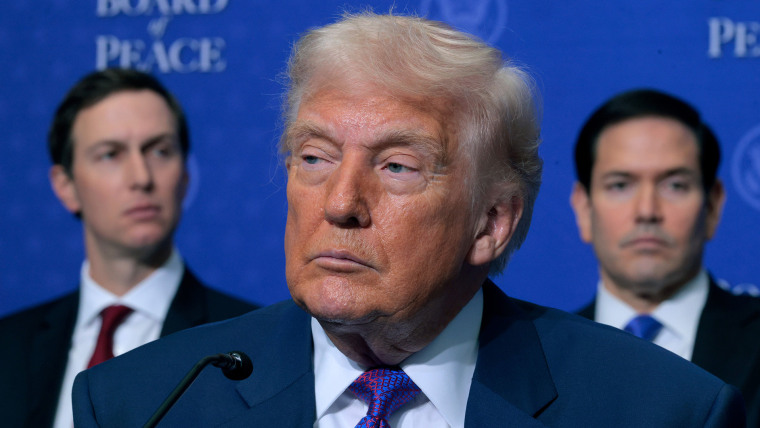
Introduction: A Renewed Focus on Dialogue
“Iran talks” have once again become a central topic in global diplomacy as world powers attempt to address longstanding political, nuclear, and regional security concerns. Over the past two decades, negotiations involving Iran have shaped international relations across the Middle East and beyond. These discussions are not limited to nuclear issues alone; they also involve economic sanctions, regional conflicts, energy security, and geopolitical influence. As diplomatic efforts resume in various forms, the outcome of these talks carries significant implications for global stability and cooperation.
Historical Background of Negotiations
Diplomatic engagement with Iran intensified in the early 2000s when concerns emerged over the country’s nuclear program. The most notable milestone came in 2015 with the Joint Comprehensive Plan of Action (JCPOA), an agreement between Iran and major world powers aimed at limiting Iran’s nuclear activities in exchange for sanctions relief. While the agreement was initially viewed as a breakthrough, political shifts and mutual accusations later weakened its implementation. The withdrawal of key participants and Iran’s subsequent policy changes led to renewed tensions, making fresh negotiations necessary to prevent escalation and rebuild trust.
Key Issues at the Negotiating Table
Modern Iran talks revolve around several interconnected issues. Nuclear transparency remains the most prominent concern, with international negotiators seeking assurances that Iran’s nuclear program remains peaceful. Iran, meanwhile, emphasizes its right to technological development and demands economic normalization through sanctions removal. Beyond nuclear matters, regional security plays an increasingly important role. Iran’s involvement in neighboring conflicts and its relationships with regional allies have become part of broader diplomatic discussions. These overlapping concerns make negotiations complex, requiring compromises that address both security fears and national sovereignty.
Economic and Regional Implications
The economic dimension of Iran talks is equally significant. International sanctions have deeply affected Iran’s economy, influencing inflation, trade access, and energy exports. Successful negotiations could reopen markets, stabilize oil supply chains, and reduce uncertainty in global energy prices. For neighboring countries, diplomatic progress may lower regional tensions and encourage economic cooperation. However, failure in talks risks further instability, includinIran talksg increased military tensions or economic disruptions that could extend far beyond the Middle East.
Challenges Facing Diplomacy
Despite continued dialogue, several obstacles complicate progress. Political divisions within negotiating countries often influence diplomatic flexibility, while mutual distrust slows decision-making. Verification mechanisms, timelines for sanctions relief, and guarantees of long-term compliance remain contentious points. Additionally, domestic political pressures within Iran and other participating nations can limit leaders’ willingness to compromise. Diplomacy in this context requires patience, incremental progress, and sustained international engagement rather than quick solutions.
The Road Ahead
The future of Iran talks depends largely on whether diplomacy can overcome years of mistrust and competing strategic interests. While negotiations may not immediately resolve all disputes, continued dialogue reduces the risk of confrontation and keeps channels of communication open. In an increasingly interconnected world, diplomatic engagement remains one of the few tools capable of balancing national interests with global security. The success or failure of these talks will likely influence regional peace, economic stability, and international cooperation for years to come.
