


Pelvic health p
from web site
Restore Strength and Mobility with Pelvic Floor Strengthening Therapy and Pelvic Floor Rehabilitation
Pelvic health plays an important role in everyday comfort, movement, and overall well-being. The muscles of the pelvic floor support the bladder, bowel, and reproductive organs while helping maintain normal urinary and bowel function. When these muscles become weak, tight, or injured, they can contribute to problems such as urinary incontinence, pelvic pain, reduced core stability, and difficulty performing daily activities. Fortunately, Pelvic Floor Strengthening Therapy and Pelvic Floor Rehabilitation offer effective, non-surgical solutions to restore muscle function and improve quality of life.
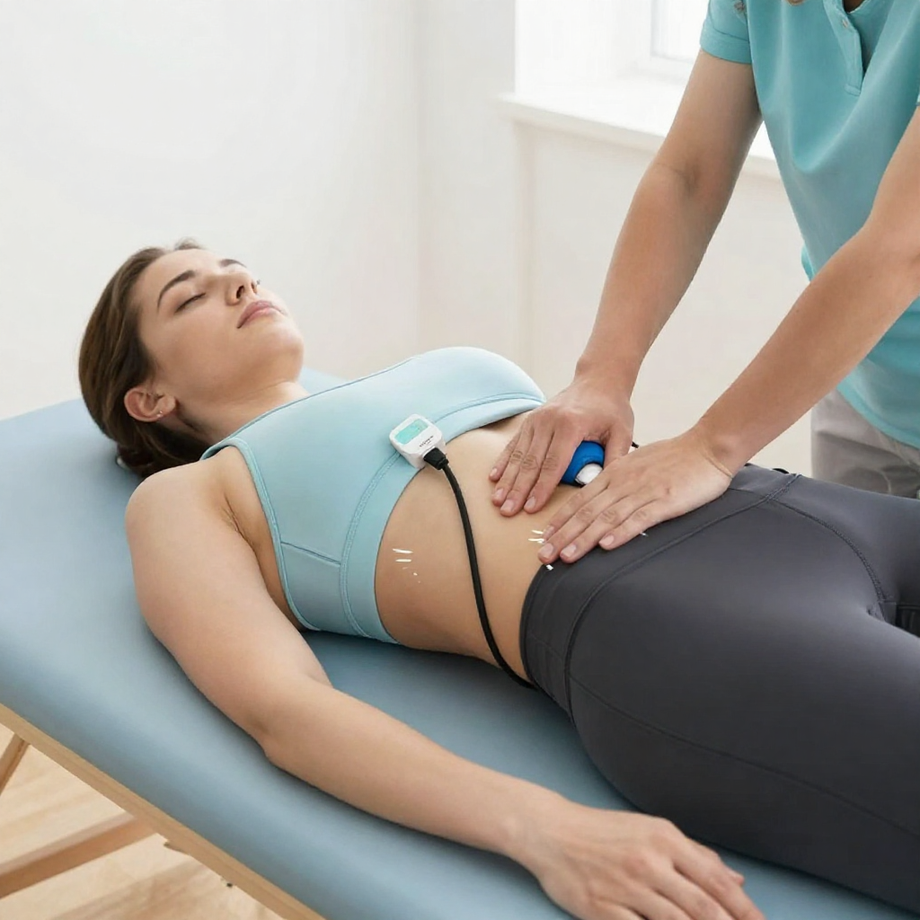
Many people associate pelvic floor issues only with women after pregnancy, but these conditions affect both men and women of all ages. Childbirth, ageing, surgery, obesity, heavy lifting, chronic coughing, sports injuries, and neurological conditions can all weaken the pelvic floor muscles. Early intervention through physiotherapy often leads to better recovery and helps prevent symptoms from becoming more severe.
Pelvic Floor Strengthening Therapy focuses on improving the strength, endurance, and coordination of the muscles that support the pelvic organs. At the same time, Pelvic Floor Rehabilitation provides a comprehensive treatment program that addresses muscle weakness, poor coordination, pain, and functional limitations through evidence-based physiotherapy techniques.
What Is the Pelvic Floor?
The pelvic floor is a group of muscles and connective tissues located at the base of the pelvis. These muscles work together to:
- Support the bladder, uterus (in women), and bowel
- Control bladder and bowel movements
- Maintain core stability
- Support sexual health
- Assist with posture and movement
When these muscles function properly, they help maintain continence and allow normal daily activities without discomfort.
What Causes Pelvic Floor Dysfunction?
Pelvic floor muscles may become weak or dysfunctional for several reasons, including:
- Pregnancy and childbirth
- Age-related muscle weakness
- Pelvic or abdominal surgery
- Prostate surgery in men
- Chronic constipation
- Obesity
- Heavy lifting
- High-impact sports
- Chronic coughing
- Neurological disorders
Because the causes vary from person to person, every rehabilitation plan should be individualized.
Symptoms That Should Not Be Ignored
Pelvic floor dysfunction often develops gradually. Common symptoms include:
- Urine leakage while coughing or sneezing
- Frequent urination
- Sudden urge to urinate
- Difficulty emptying the bladder
- Pelvic pain
- Lower back discomfort
- Pain during prolonged sitting
- Constipation
- Reduced core stability
- Pain during certain physical activities
These symptoms can interfere with work, exercise, travel, and social life if left untreated.
Benefits of Pelvic Floor Strengthening Therapy
Pelvic Floor Strengthening Therapy is designed to restore muscle strength and improve coordination using structured physiotherapy exercises.
Some important benefits include:
- Improved bladder control
- Reduced urine leakage
- Better bowel control
- Enhanced pelvic stability
- Stronger core muscles
- Reduced pelvic discomfort
- Improved posture
- Better balance during movement
- Faster recovery after pregnancy
- Support after prostate surgery
Many individuals notice gradual improvement after consistently following a personalized therapy program.
What Happens During Pelvic Floor Rehabilitation?
Pelvic Floor Rehabilitation is more than simply performing exercises. A physiotherapist develops a treatment plan after assessing muscle strength, posture, movement patterns, and pelvic function.
A rehabilitation program may include:
- Pelvic floor muscle exercises
- Core strengthening
- Breathing techniques
- Bladder retraining
- Manual therapy
- Postural correction
- Functional movement training
- Lifestyle advice
- Home exercise program
Each treatment plan is customized according to the patient's symptoms and goals.
Who Can Benefit?
Pelvic floor rehabilitation is beneficial for many conditions, including:
- Stress urinary incontinence
- Urge urinary incontinence
- Mixed urinary incontinence
- Overactive bladder
- Pelvic organ prolapse
- Chronic pelvic pain
- Postpartum recovery
- Male urinary incontinence
- Post-prostate surgery rehabilitation
- Fecal incontinence
Both men and women can achieve meaningful improvements through physiotherapy.
Lifestyle Habits That Support Recovery
Physiotherapy is most effective when combined with healthy daily habits.
Helpful recommendations include:
- Maintain a healthy body weight.
- Drink enough water.
- Avoid excessive caffeine if it worsens symptoms.
- Prevent chronic constipation.
- Stay physically active.
- Practice prescribed exercises regularly.
- Avoid heavy lifting without proper technique.
- Follow your physiotherapist's guidance consistently.
Small lifestyle adjustments often contribute to long-term success.
Why Early Treatment Matters
Many people delay treatment because they believe bladder leakage or pelvic discomfort is a normal part of ageing or childbirth. However, pelvic floor dysfunction often responds well to conservative physiotherapy when addressed early.
Starting rehabilitation before symptoms become severe may reduce the need for more invasive treatments and improve overall recovery.
Personalized Care Makes a Difference
No two patients experience pelvic floor dysfunction in exactly the same way. Some require muscle strengthening, while others need relaxation techniques, coordination training, or pain management. A personalized rehabilitation program ensures that treatment addresses the root cause rather than only managing symptoms.
Conclusion
Healthy pelvic floor muscles are essential for bladder control, bowel function, posture, movement, and overall confidence. Whether symptoms are related to pregnancy, ageing, surgery, or other medical conditions, Pelvic Floor Strengthening Therapy and Pelvic Floor Rehabilitation provide safe, effective, and evidence-based solutions to restore muscle function and improve daily life. Early assessment, individualized physiotherapy, and consistent rehabilitation can help reduce symptoms, improve mobility, and support long-term pelvic health.
