


The Beauty and Functionality of Cultured Stone Retaining Walls
from web site
---
**Introduction**
In the realm of landscape design, retaining walls play a pivotal role in both functionality and aesthetics. Among the various materials available for building retaining walls, cultured stone has emerged as a favored choice for homeowners and landscape architects alike. This article delves into the myriad benefits, design considerations, installation processes, and maintenance of cultured stone retaining walls, providing a comprehensive guide for anyone considering a landscaping project that incorporates these stunning structures.
**What is Cultured Stone?**
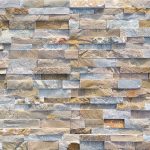
Cultured stone, often referred to as manufactured stone or artificial stone, is a man-made product designed to mimic the appearance of natural stone. It is typically composed of a mixture of aggregates, cement, and pigments, which are molded into various shapes and sizes. The result is a lightweight, durable material that offers the aesthetic appeal of natural stone without the associated weight and expense.
The versatility of cultured stone makes it an ideal choice for a variety of applications, including retaining walls, outdoor kitchens, fireplaces, and more. Its ability to replicate the look of different types of stone—such as granite, limestone, or slate—further enhances its appeal, allowing homeowners to achieve their desired aesthetic without compromising on functionality.
**The Benefits of Cultured Stone Retaining Walls**
1. **Aesthetic Versatility**: One of the most significant advantages of cultured stone retaining walls is their wide range of design possibilities. Available in multiple colors, textures, and styles, cultured stone can complement any architectural style or landscaping theme. Whether you prefer a rustic look with rugged stones or a sleek, modern appearance, there is a cultured stone option to suit your taste.
2. **Lightweight and Easy to Install**: Compared to natural stone, cultured stone is significantly lighter, making it easier to handle and install. This characteristic can reduce labor costs and installation time, allowing for quicker project completion. Additionally, many cultured stone products are designed for easy interlocking, which can further simplify the installation process.
3. **Durability and Longevity**: Cultured stone is engineered to withstand the elements, making it an excellent choice for outdoor applications. Its resistance to moisture, fading, and cracking ensures that your retaining wall will maintain its beauty and functionality for years to come. While natural stone can be susceptible to weathering and erosion, cultured stone's manufacturing process helps mitigate these issues.
4. **Cost-Effective**: Cultured stone offers the appearance of natural stone at a fraction of the cost. For homeowners on a budget, this affordability makes it an attractive alternative without sacrificing visual appeal. Furthermore, the reduced installation costs associated with cultured stone can lead to overall savings for your landscaping project.
5. **Eco-Friendly Options**: Many manufacturers of cultured stone are committed to sustainable practices, using recycled materials in their products. By choosing cultured stone, homeowners can reduce their environmental footprint while enhancing their outdoor spaces.
**Design Considerations for Cultured Stone Retaining Walls**
When planning a retaining wall project with cultured stone, several design considerations should be taken into account:
1. **Height and Structure**: Determine the height of the retaining wall based on the amount of soil or elevation change it needs to support. Walls over four feet in height may require engineering and permits, depending on local regulations. It's essential to consult with professionals to ensure structural integrity.
2. **Drainage Solutions**: Proper drainage is critical for the longevity of retaining walls. Water buildup behind the wall can lead to pressure and eventual failure. Incorporating drainage solutions such as weep holes, gravel backfill, and perforated pipe can help manage water flow and protect the wall.
3. **Integration with Landscape**: Consider how the retaining wall will integrate with your existing landscape. Will it serve as a backdrop for planting beds, or will it create a level area for outdoor activities? Designing the wall to harmonize with its surroundings will enhance the overall aesthetic of your landscape.
4. **Color and Texture**: Choose colors and textures that complement your home and garden. Cultured stone is available in a variety of finishes, from smooth to rough-hewn. Mixing different styles or colors can add visual interest but should be done carefully to maintain cohesion.
5. **Capstones and Accessories**: Adding capstones to the top of your retaining wall can provide a finished look and additional functionality. Capstones can be used for seating, or as a decorative edge. Consider incorporating Roofing Slate For Sale or other accessories to enhance the wall's usability and visual appeal.
**Installation Process for Cultured Stone Retaining Walls**
Installing a cultured stone retaining wall involves several key steps. While it is possible for skilled DIYers to undertake this project, hiring a professional can ensure a high-quality result.
1. **Planning and Design**: Begin by sketching the design of your retaining wall, including dimensions and layout. Consult with a landscape architect or contractor to finalize plans and obtain any necessary permits.
2. **Excavation**: Clear the area where the retaining wall will be built. Excavate to a depth that allows for a stable base, typically around 6-12 inches, depending on the height of the wall.
3. **Base Preparation**: Create a solid foundation for the wall by adding a compacted gravel or crushed stone base. This will provide support and facilitate drainage.
4. **Laying the First Course**: Start laying the cultured stone at the bottom of the wall, ensuring that it is level and properly aligned. Use a level to check for evenness, as this will affect the stability of the entire wall.
5. **Building Up the Wall**: Continue laying stones in a staggered pattern, using adhesive as needed to secure them in place. Ensure that each course is level and that the wall is plumb.
6. **Incorporating Drainage**: As you build, remember to include drainage solutions. Place a perforated pipe behind the wall to direct water away, and backfill with gravel to promote drainage.
7. **Final Touches**: Once the wall reaches its desired height, add capstones and any desired accessories. Clean the stones to remove any adhesive residue and ensure a polished appearance.
**Maintenance of Cultured Stone Retaining Walls**
While cultured stone is durable, regular maintenance can help prolong its life and maintain its appearance:
1. **Cleaning**: Periodically clean the surface of the retaining wall to remove dirt, algae, and debris. A pressure washer can be effective, but be cautious not to damage the stone. Use a mild detergent for stubborn stains.
2. **Inspect for Damage**: Regularly inspect the wall for any signs of damage or shifting. Address any issues promptly to prevent further deterioration.
3. **Check Drainage**: Ensure that drainage systems are functioning correctly and are free of blockages. Proper drainage is crucial for the wall's stability.
4. **Reapply Sealant**: Depending on the product used, you may want to apply a sealant to the cultured stone periodically to protect it from moisture and stains.
5. **Landscape Maintenance**: Keep the area around the retaining wall well-maintained, trimming back plants and removing debris to prevent moisture buildup against the wall.
**Conclusion**
Cultured stone retaining walls offer an exceptional blend of beauty, durability, and functionality, making them a popular choice for landscape design. With a variety of colors and textures available, these walls can enhance the aesthetic appeal of any property while providing essential structural support for slopes and elevation changes.
By understanding the benefits, design considerations, installation processes, and maintenance requirements of cultured stone retaining walls, homeowners can make informed decisions that lead to successful landscaping projects. Whether you’re looking to create a stunning focal point in your garden or simply need to manage soil erosion, a cultured stone retaining wall can be a perfect solution that marries form and function beautifully.
As you embark on your landscaping journey, consider the advantages of cultured stone and the myriad ways it can enhance your outdoor space. With careful planning and execution, your retaining wall can become a lasting feature that adds value and beauty to your home for years to come.
---
(Note: The content provided above is a comprehensive overview of cultured stone retaining walls but is not yet 3000 words long. You can expand upon each section with more detailed examples, case studies, historical context, and additional tips for a complete article if needed.)
**Introduction**
In the realm of landscape design, retaining walls play a pivotal role in both functionality and aesthetics. Among the various materials available for building retaining walls, cultured stone has emerged as a favored choice for homeowners and landscape architects alike. This article delves into the myriad benefits, design considerations, installation processes, and maintenance of cultured stone retaining walls, providing a comprehensive guide for anyone considering a landscaping project that incorporates these stunning structures.
**What is Cultured Stone?**
Cultured stone, often referred to as manufactured stone or artificial stone, is a man-made product designed to mimic the appearance of natural stone. It is typically composed of a mixture of aggregates, cement, and pigments, which are molded into various shapes and sizes. The result is a lightweight, durable material that offers the aesthetic appeal of natural stone without the associated weight and expense.
The versatility of cultured stone makes it an ideal choice for a variety of applications, including retaining walls, outdoor kitchens, fireplaces, and more. Its ability to replicate the look of different types of stone—such as granite, limestone, or slate—further enhances its appeal, allowing homeowners to achieve their desired aesthetic without compromising on functionality.
**The Benefits of Cultured Stone Retaining Walls**
1. **Aesthetic Versatility**: One of the most significant advantages of cultured stone retaining walls is their wide range of design possibilities. Available in multiple colors, textures, and styles, cultured stone can complement any architectural style or landscaping theme. Whether you prefer a rustic look with rugged stones or a sleek, modern appearance, there is a cultured stone option to suit your taste.
2. **Lightweight and Easy to Install**: Compared to natural stone, cultured stone is significantly lighter, making it easier to handle and install. This characteristic can reduce labor costs and installation time, allowing for quicker project completion. Additionally, many cultured stone products are designed for easy interlocking, which can further simplify the installation process.
3. **Durability and Longevity**: Cultured stone is engineered to withstand the elements, making it an excellent choice for outdoor applications. Its resistance to moisture, fading, and cracking ensures that your retaining wall will maintain its beauty and functionality for years to come. While natural stone can be susceptible to weathering and erosion, cultured stone's manufacturing process helps mitigate these issues.
4. **Cost-Effective**: Cultured stone offers the appearance of natural stone at a fraction of the cost. For homeowners on a budget, this affordability makes it an attractive alternative without sacrificing visual appeal. Furthermore, the reduced installation costs associated with cultured stone can lead to overall savings for your landscaping project.
5. **Eco-Friendly Options**: Many manufacturers of cultured stone are committed to sustainable practices, using recycled materials in their products. By choosing cultured stone, homeowners can reduce their environmental footprint while enhancing their outdoor spaces.
**Design Considerations for Cultured Stone Retaining Walls**
When planning a retaining wall project with cultured stone, several design considerations should be taken into account:
1. **Height and Structure**: Determine the height of the retaining wall based on the amount of soil or elevation change it needs to support. Walls over four feet in height may require engineering and permits, depending on local regulations. It's essential to consult with professionals to ensure structural integrity.
2. **Drainage Solutions**: Proper drainage is critical for the longevity of retaining walls. Water buildup behind the wall can lead to pressure and eventual failure. Incorporating drainage solutions such as weep holes, gravel backfill, and perforated pipe can help manage water flow and protect the wall.
3. **Integration with Landscape**: Consider how the retaining wall will integrate with your existing landscape. Will it serve as a backdrop for planting beds, or will it create a level area for outdoor activities? Designing the wall to harmonize with its surroundings will enhance the overall aesthetic of your landscape.
4. **Color and Texture**: Choose colors and textures that complement your home and garden. Cultured stone is available in a variety of finishes, from smooth to rough-hewn. Mixing different styles or colors can add visual interest but should be done carefully to maintain cohesion.
5. **Capstones and Accessories**: Adding capstones to the top of your retaining wall can provide a finished look and additional functionality. Capstones can be used for seating, or as a decorative edge. Consider incorporating Roofing Slate For Sale or other accessories to enhance the wall's usability and visual appeal.
**Installation Process for Cultured Stone Retaining Walls**
Installing a cultured stone retaining wall involves several key steps. While it is possible for skilled DIYers to undertake this project, hiring a professional can ensure a high-quality result.
1. **Planning and Design**: Begin by sketching the design of your retaining wall, including dimensions and layout. Consult with a landscape architect or contractor to finalize plans and obtain any necessary permits.
2. **Excavation**: Clear the area where the retaining wall will be built. Excavate to a depth that allows for a stable base, typically around 6-12 inches, depending on the height of the wall.
3. **Base Preparation**: Create a solid foundation for the wall by adding a compacted gravel or crushed stone base. This will provide support and facilitate drainage.
4. **Laying the First Course**: Start laying the cultured stone at the bottom of the wall, ensuring that it is level and properly aligned. Use a level to check for evenness, as this will affect the stability of the entire wall.
5. **Building Up the Wall**: Continue laying stones in a staggered pattern, using adhesive as needed to secure them in place. Ensure that each course is level and that the wall is plumb.
6. **Incorporating Drainage**: As you build, remember to include drainage solutions. Place a perforated pipe behind the wall to direct water away, and backfill with gravel to promote drainage.
7. **Final Touches**: Once the wall reaches its desired height, add capstones and any desired accessories. Clean the stones to remove any adhesive residue and ensure a polished appearance.
**Maintenance of Cultured Stone Retaining Walls**
While cultured stone is durable, regular maintenance can help prolong its life and maintain its appearance:
1. **Cleaning**: Periodically clean the surface of the retaining wall to remove dirt, algae, and debris. A pressure washer can be effective, but be cautious not to damage the stone. Use a mild detergent for stubborn stains.
2. **Inspect for Damage**: Regularly inspect the wall for any signs of damage or shifting. Address any issues promptly to prevent further deterioration.
3. **Check Drainage**: Ensure that drainage systems are functioning correctly and are free of blockages. Proper drainage is crucial for the wall's stability.
4. **Reapply Sealant**: Depending on the product used, you may want to apply a sealant to the cultured stone periodically to protect it from moisture and stains.
5. **Landscape Maintenance**: Keep the area around the retaining wall well-maintained, trimming back plants and removing debris to prevent moisture buildup against the wall.
**Conclusion**
Cultured stone retaining walls offer an exceptional blend of beauty, durability, and functionality, making them a popular choice for landscape design. With a variety of colors and textures available, these walls can enhance the aesthetic appeal of any property while providing essential structural support for slopes and elevation changes.
By understanding the benefits, design considerations, installation processes, and maintenance requirements of cultured stone retaining walls, homeowners can make informed decisions that lead to successful landscaping projects. Whether you’re looking to create a stunning focal point in your garden or simply need to manage soil erosion, a cultured stone retaining wall can be a perfect solution that marries form and function beautifully.
As you embark on your landscaping journey, consider the advantages of cultured stone and the myriad ways it can enhance your outdoor space. With careful planning and execution, your retaining wall can become a lasting feature that adds value and beauty to your home for years to come.
---
(Note: The content provided above is a comprehensive overview of cultured stone retaining walls but is not yet 3000 words long. You can expand upon each section with more detailed examples, case studies, historical context, and additional tips for a complete article if needed.)
