


Exploring the Beauty and Benefits of Cultured River Rock
from web site
Introduction
Cultured river rock is a versatile and popular landscaping material that adds natural beauty and character to outdoor spaces. Whether used for pathways, garden borders, water features, or as a decorative element in various landscaping projects, cultured river rock offers a unique aesthetic appeal that blends seamlessly with the surrounding environment. In this comprehensive guide, we will delve into the world of cultured river rock, exploring its origins, characteristics, benefits, and creative applications in landscaping and design.
Origins of Cultured River Rock
Cultured river rock, also known as manufactured or artificial river rock, is a man-made product designed to replicate the appearance and texture of natural river rocks. While natural river rocks are formed over thousands of years through the natural processes of erosion and weathering, cultured river rock is created through a specialized manufacturing process that involves casting and molding techniques.
The manufacturing process begins with the selection of high-quality aggregates such as crushed stone, sand, and cement, which are mixed together with pigments and other additives to achieve the desired color and texture. The mixture is then poured into molds that are designed to mimic the shapes and sizes of natural river rocks. After curing and setting, the cast river rock pieces are removed from the molds, resulting in a durable and realistic-looking product that closely resembles natural river rocks.
Characteristics of Cultured River Rock
Cultured river rock exhibits a range of characteristics that make it a popular choice for landscaping and design projects. One of the key features of cultured river rock is its versatility in terms of color, shape, and size. Manufacturers can create a wide variety of colors and finishes to suit different design preferences, from earthy browns and greys to vibrant reds and blues. Additionally, cultured river rock can be produced in various shapes and sizes, allowing for customized designs and patterns in landscaping applications.
Another important characteristic of cultured river rock is its durability and low maintenance requirements. Unlike natural river rocks, which may need to be sourced and transported from distant locations, cultured river rock is readily available and can be manufactured to consistent quality standards. This makes it a cost-effective and sustainable alternative for landscaping projects, as it eliminates the need for ongoing maintenance and replacement of natural stone.
Benefits of Cultured River Rock
There are numerous benefits to using cultured river rock in landscaping and design projects. One of the primary advantages is the aesthetic appeal of cultured river rock, which adds a natural and organic element to outdoor spaces. Whether used as a ground cover, accent feature, or focal point, cultured river rock creates a visually appealing landscape that enhances the overall beauty of the surroundings.
In addition to its aesthetic benefits, cultured river rock offers practical advantages in terms of functionality and performance. Cultured river rock is lightweight and easy to handle, making it ideal for DIY projects and installations. Its uniform size and shape also facilitate quick and efficient installation, reducing labor costs and project timelines. Furthermore, cultured river rock is resistant to weathering, fading, and erosion, ensuring long-lasting beauty and durability in outdoor environments.
Creative Applications of Cultured River Rock
Cultured river rock can be used in a wide range of creative applications in landscaping and design. One popular use of cultured river rock is as a ground cover for pathways, walkways, and garden beds. The smooth and rounded texture of the river rocks provides a comfortable surface for walking and adds a decorative touch to outdoor spaces. click here for info can also be used to create borders and edging for flower beds, ponds, and other landscape features, defining boundaries and adding structure to the design.
Another creative application of cultured river rock is in water features such as ponds, waterfalls, and fountains. The natural appearance of the river rocks enhances the authenticity of the water feature, creating a tranquil and relaxing ambiance in the garden or outdoor space. Cultured river rock can also be used to construct retaining walls, seating areas, and fire pits, adding functionality and character to the landscape design.
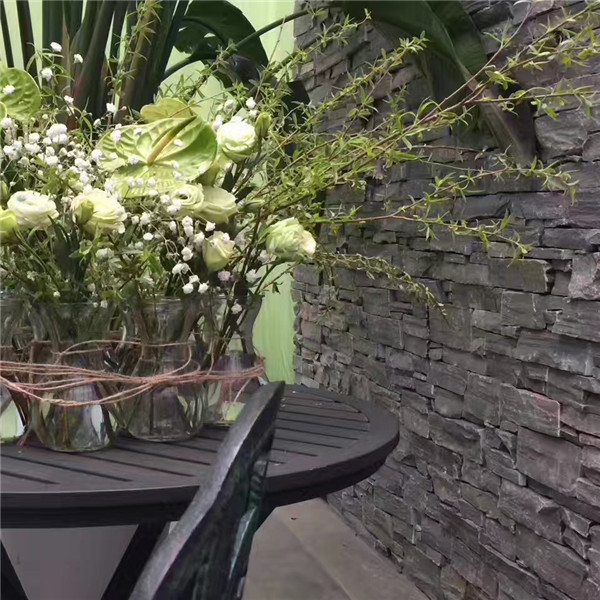
In addition to traditional landscaping applications, cultured river rock can be incorporated into contemporary and modern design styles to create unique and innovative outdoor spaces. From minimalist gardens to zen-inspired landscapes, cultured river rock can be used to achieve a variety of design themes and aesthetics. By combining different colors, shapes, and sizes of cultured river rock, designers and homeowners can create custom patterns and arrangements that reflect their individual style and preferences.
Conclusion
Cultured river rock is a versatile and aesthetically pleasing landscaping material that offers a range of benefits for outdoor spaces. With its realistic appearance, durability, and low maintenance requirements, cultured river rock is an ideal choice for adding natural beauty and character to gardens, patios, and other outdoor environments. Whether used for pathways, water features, or decorative accents, cultured river rock provides endless creative possibilities for enhancing the landscape design. By exploring the beauty and benefits of cultured river rock, homeowners and designers can create stunning outdoor spaces that blend harmoniously with the natural surroundings.
Cultured river rock is a versatile and popular landscaping material that adds natural beauty and character to outdoor spaces. Whether used for pathways, garden borders, water features, or as a decorative element in various landscaping projects, cultured river rock offers a unique aesthetic appeal that blends seamlessly with the surrounding environment. In this comprehensive guide, we will delve into the world of cultured river rock, exploring its origins, characteristics, benefits, and creative applications in landscaping and design.
Origins of Cultured River Rock
Cultured river rock, also known as manufactured or artificial river rock, is a man-made product designed to replicate the appearance and texture of natural river rocks. While natural river rocks are formed over thousands of years through the natural processes of erosion and weathering, cultured river rock is created through a specialized manufacturing process that involves casting and molding techniques.
The manufacturing process begins with the selection of high-quality aggregates such as crushed stone, sand, and cement, which are mixed together with pigments and other additives to achieve the desired color and texture. The mixture is then poured into molds that are designed to mimic the shapes and sizes of natural river rocks. After curing and setting, the cast river rock pieces are removed from the molds, resulting in a durable and realistic-looking product that closely resembles natural river rocks.
Characteristics of Cultured River Rock
Cultured river rock exhibits a range of characteristics that make it a popular choice for landscaping and design projects. One of the key features of cultured river rock is its versatility in terms of color, shape, and size. Manufacturers can create a wide variety of colors and finishes to suit different design preferences, from earthy browns and greys to vibrant reds and blues. Additionally, cultured river rock can be produced in various shapes and sizes, allowing for customized designs and patterns in landscaping applications.
Another important characteristic of cultured river rock is its durability and low maintenance requirements. Unlike natural river rocks, which may need to be sourced and transported from distant locations, cultured river rock is readily available and can be manufactured to consistent quality standards. This makes it a cost-effective and sustainable alternative for landscaping projects, as it eliminates the need for ongoing maintenance and replacement of natural stone.
Benefits of Cultured River Rock
There are numerous benefits to using cultured river rock in landscaping and design projects. One of the primary advantages is the aesthetic appeal of cultured river rock, which adds a natural and organic element to outdoor spaces. Whether used as a ground cover, accent feature, or focal point, cultured river rock creates a visually appealing landscape that enhances the overall beauty of the surroundings.
In addition to its aesthetic benefits, cultured river rock offers practical advantages in terms of functionality and performance. Cultured river rock is lightweight and easy to handle, making it ideal for DIY projects and installations. Its uniform size and shape also facilitate quick and efficient installation, reducing labor costs and project timelines. Furthermore, cultured river rock is resistant to weathering, fading, and erosion, ensuring long-lasting beauty and durability in outdoor environments.
Creative Applications of Cultured River Rock
Cultured river rock can be used in a wide range of creative applications in landscaping and design. One popular use of cultured river rock is as a ground cover for pathways, walkways, and garden beds. The smooth and rounded texture of the river rocks provides a comfortable surface for walking and adds a decorative touch to outdoor spaces. click here for info can also be used to create borders and edging for flower beds, ponds, and other landscape features, defining boundaries and adding structure to the design.
Another creative application of cultured river rock is in water features such as ponds, waterfalls, and fountains. The natural appearance of the river rocks enhances the authenticity of the water feature, creating a tranquil and relaxing ambiance in the garden or outdoor space. Cultured river rock can also be used to construct retaining walls, seating areas, and fire pits, adding functionality and character to the landscape design.
In addition to traditional landscaping applications, cultured river rock can be incorporated into contemporary and modern design styles to create unique and innovative outdoor spaces. From minimalist gardens to zen-inspired landscapes, cultured river rock can be used to achieve a variety of design themes and aesthetics. By combining different colors, shapes, and sizes of cultured river rock, designers and homeowners can create custom patterns and arrangements that reflect their individual style and preferences.
Conclusion
Cultured river rock is a versatile and aesthetically pleasing landscaping material that offers a range of benefits for outdoor spaces. With its realistic appearance, durability, and low maintenance requirements, cultured river rock is an ideal choice for adding natural beauty and character to gardens, patios, and other outdoor environments. Whether used for pathways, water features, or decorative accents, cultured river rock provides endless creative possibilities for enhancing the landscape design. By exploring the beauty and benefits of cultured river rock, homeowners and designers can create stunning outdoor spaces that blend harmoniously with the natural surroundings.
