


Optimizing Hybrid Power Systems with Diesel Generators
from web site
Introduction
In recent years, the demand for reliable and sustainable energy sources has led to the development of innovative hybrid power systems. These systems combine multiple sources of energy, such as solar, wind, and diesel generators, to provide a continuous and efficient power supply. Among these sources, diesel generators play a crucial role in ensuring reliable power generation, especially in off-grid and remote locations where access to the grid is limited. In this article, we will explore the role of diesel generators in hybrid power systems, their advantages and challenges, and best practices for optimizing their performance.
Role of Diesel Generators in Hybrid Power Systems
Diesel generators are often used as a backup or supplementary power source in hybrid power systems. These systems typically consist of renewable energy sources like solar panels and wind turbines, which generate electricity when conditions are favorable. However, the intermittent nature of renewable energy sources can lead to fluctuations in power output, making it necessary to have a reliable backup source to maintain a stable power supply.
Diesel generators are well-suited for this role due to their ability to provide consistent power output regardless of external conditions. They can quickly ramp up or down to meet changing energy demands, making them ideal for balancing the intermittent nature of renewable energy sources. In hybrid power systems, diesel generators are usually integrated with energy storage systems, such as batteries, to store excess energy generated during periods of high production and discharge it when needed.
Advantages of Diesel Generators in Hybrid Power Systems
1. Reliability: Diesel generators are known for their reliability and durability, making them an excellent choice for ensuring continuous power supply in hybrid systems. They can operate for long hours without interruptions, providing a stable source of energy even in harsh environmental conditions.
2. Flexibility: Diesel generators can be easily combined with other energy sources in hybrid power systems, allowing for a flexible and scalable energy generation setup. They can be integrated seamlessly with renewable energy sources to create a balanced and efficient power system.
3. Quick Start-Up: Diesel generators have the advantage of quick start-up times, allowing them to respond rapidly to changes in energy demand. This capability is essential for maintaining grid stability and meeting sudden spikes in power consumption.
4. Cost-Effectiveness: While the initial cost of diesel generators may be higher than some renewable energy sources, their operational efficiency and low maintenance requirements make them a cost-effective option for hybrid power systems. Diesel fuel is also widely available and relatively inexpensive compared to other energy sources.
Challenges of Diesel Generators in Hybrid Power Systems
Despite their many advantages, diesel generators also face some challenges when used in hybrid power systems. These challenges include:
1. Environmental Impact: Diesel generators emit greenhouse gases and air pollutants during operation, contributing to environmental degradation and climate change. To mitigate these impacts, it is essential to implement emission control technologies and use cleaner fuel options.
2. Fuel Dependency: Diesel generators rely on fossil fuels, which are finite resources with fluctuating prices. This dependency on fuel can make hybrid power systems vulnerable to fuel shortages and price volatility, highlighting the need for alternative energy storage solutions.
3. Maintenance Requirements: Diesel generators require regular maintenance to ensure optimal performance and longevity. This can add to the overall operational costs of hybrid power systems and may require specialized technical expertise for servicing and repairs.
4. Noise and Vibration: Diesel generators can generate noise and vibrations during operation, which may be a concern in residential areas or sensitive environments. Proper soundproofing and vibration isolation measures should be implemented to minimize these impacts.
Optimizing Diesel Generators in Hybrid Power Systems
To maximize the performance and efficiency of diesel generators in hybrid power systems, several optimization strategies can be implemented. These strategies include:
1. Load Management: Proper load management is essential for optimizing the fuel efficiency of diesel generators. By matching the generator output to the actual load requirements, unnecessary fuel consumption can be minimized, leading to cost savings and reduced emissions.
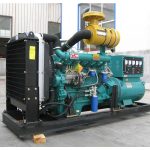
2. Energy Storage Integration: Integrating energy storage systems, such as batteries, with diesel generators can help improve system efficiency and reliability. 150kw diesel generator can store excess energy generated during low-demand periods and discharge it during peak demand, reducing the reliance on the generator and extending its lifespan.
3. Hybridization with Renewable Energy: Combining diesel generators with renewable energy sources like solar and wind can create a more sustainable and environmentally friendly power system. This hybrid approach can help reduce fuel consumption, lower emissions, and enhance energy security.
4. Remote Monitoring and Control: Implementing remote monitoring and control systems allows operators to monitor the performance of diesel generators in real-time and make adjustments as needed. This can help identify potential issues early, optimize generator operation, and prevent downtime.
5. Fuel Quality and Efficiency: Using high-quality fuel and maintaining proper fuel storage conditions are crucial for ensuring the efficiency and reliability of diesel generators. Regular fuel testing and treatment can help prevent fuel degradation, engine fouling, and other performance issues.
Conclusion
Diesel generators play a vital role in hybrid power systems, providing a reliable and flexible source of energy to complement renewable energy sources. By optimizing the performance of diesel generators through load management, energy storage integration, hybridization with renewables, remote monitoring, and fuel efficiency measures, operators can maximize the efficiency and sustainability of their power systems. While diesel generators have inherent challenges such as environmental impact and fuel dependency, these can be mitigated through proper planning, maintenance, and technology solutions. With the right strategies in place, diesel generators can continue to be a valuable asset in the transition towards a more sustainable energy future.
In recent years, the demand for reliable and sustainable energy sources has led to the development of innovative hybrid power systems. These systems combine multiple sources of energy, such as solar, wind, and diesel generators, to provide a continuous and efficient power supply. Among these sources, diesel generators play a crucial role in ensuring reliable power generation, especially in off-grid and remote locations where access to the grid is limited. In this article, we will explore the role of diesel generators in hybrid power systems, their advantages and challenges, and best practices for optimizing their performance.
Role of Diesel Generators in Hybrid Power Systems
Diesel generators are often used as a backup or supplementary power source in hybrid power systems. These systems typically consist of renewable energy sources like solar panels and wind turbines, which generate electricity when conditions are favorable. However, the intermittent nature of renewable energy sources can lead to fluctuations in power output, making it necessary to have a reliable backup source to maintain a stable power supply.
Diesel generators are well-suited for this role due to their ability to provide consistent power output regardless of external conditions. They can quickly ramp up or down to meet changing energy demands, making them ideal for balancing the intermittent nature of renewable energy sources. In hybrid power systems, diesel generators are usually integrated with energy storage systems, such as batteries, to store excess energy generated during periods of high production and discharge it when needed.
Advantages of Diesel Generators in Hybrid Power Systems
1. Reliability: Diesel generators are known for their reliability and durability, making them an excellent choice for ensuring continuous power supply in hybrid systems. They can operate for long hours without interruptions, providing a stable source of energy even in harsh environmental conditions.
2. Flexibility: Diesel generators can be easily combined with other energy sources in hybrid power systems, allowing for a flexible and scalable energy generation setup. They can be integrated seamlessly with renewable energy sources to create a balanced and efficient power system.
3. Quick Start-Up: Diesel generators have the advantage of quick start-up times, allowing them to respond rapidly to changes in energy demand. This capability is essential for maintaining grid stability and meeting sudden spikes in power consumption.
4. Cost-Effectiveness: While the initial cost of diesel generators may be higher than some renewable energy sources, their operational efficiency and low maintenance requirements make them a cost-effective option for hybrid power systems. Diesel fuel is also widely available and relatively inexpensive compared to other energy sources.
Challenges of Diesel Generators in Hybrid Power Systems
Despite their many advantages, diesel generators also face some challenges when used in hybrid power systems. These challenges include:
1. Environmental Impact: Diesel generators emit greenhouse gases and air pollutants during operation, contributing to environmental degradation and climate change. To mitigate these impacts, it is essential to implement emission control technologies and use cleaner fuel options.
2. Fuel Dependency: Diesel generators rely on fossil fuels, which are finite resources with fluctuating prices. This dependency on fuel can make hybrid power systems vulnerable to fuel shortages and price volatility, highlighting the need for alternative energy storage solutions.
3. Maintenance Requirements: Diesel generators require regular maintenance to ensure optimal performance and longevity. This can add to the overall operational costs of hybrid power systems and may require specialized technical expertise for servicing and repairs.
4. Noise and Vibration: Diesel generators can generate noise and vibrations during operation, which may be a concern in residential areas or sensitive environments. Proper soundproofing and vibration isolation measures should be implemented to minimize these impacts.
Optimizing Diesel Generators in Hybrid Power Systems
To maximize the performance and efficiency of diesel generators in hybrid power systems, several optimization strategies can be implemented. These strategies include:
1. Load Management: Proper load management is essential for optimizing the fuel efficiency of diesel generators. By matching the generator output to the actual load requirements, unnecessary fuel consumption can be minimized, leading to cost savings and reduced emissions.
2. Energy Storage Integration: Integrating energy storage systems, such as batteries, with diesel generators can help improve system efficiency and reliability. 150kw diesel generator can store excess energy generated during low-demand periods and discharge it during peak demand, reducing the reliance on the generator and extending its lifespan.
3. Hybridization with Renewable Energy: Combining diesel generators with renewable energy sources like solar and wind can create a more sustainable and environmentally friendly power system. This hybrid approach can help reduce fuel consumption, lower emissions, and enhance energy security.
4. Remote Monitoring and Control: Implementing remote monitoring and control systems allows operators to monitor the performance of diesel generators in real-time and make adjustments as needed. This can help identify potential issues early, optimize generator operation, and prevent downtime.
5. Fuel Quality and Efficiency: Using high-quality fuel and maintaining proper fuel storage conditions are crucial for ensuring the efficiency and reliability of diesel generators. Regular fuel testing and treatment can help prevent fuel degradation, engine fouling, and other performance issues.
Conclusion
Diesel generators play a vital role in hybrid power systems, providing a reliable and flexible source of energy to complement renewable energy sources. By optimizing the performance of diesel generators through load management, energy storage integration, hybridization with renewables, remote monitoring, and fuel efficiency measures, operators can maximize the efficiency and sustainability of their power systems. While diesel generators have inherent challenges such as environmental impact and fuel dependency, these can be mitigated through proper planning, maintenance, and technology solutions. With the right strategies in place, diesel generators can continue to be a valuable asset in the transition towards a more sustainable energy future.
