


The Comprehensive Guide to Cultured Stone Maintenance
from web site
Introduction
Cultured stone, also known as manufactured stone or faux stone, is a popular choice for homeowners and builders looking to achieve the look of natural stone at a more affordable price. Made from a mixture of cement, aggregates, and iron oxide pigments, cultured stone is designed to mimic the appearance of real stone while offering improved durability and easier installation. While cultured stone is known for its low maintenance requirements compared to natural stone, proper care and maintenance are still essential to ensure its longevity and aesthetic appeal. In this comprehensive guide, we will delve into the various aspects of cultured stone maintenance, including cleaning, sealing, repairs, and preventative measures.
Cleaning Cultured Stone
Regular cleaning is key to keeping cultured stone looking its best and preventing the buildup of dirt, grime, and other contaminants. Here are some recommended cleaning methods for maintaining your cultured stone surfaces:
1. Routine Cleaning: To remove everyday dirt and debris, use a mild detergent or stone cleaner diluted in water. Avoid harsh chemicals or abrasive cleaners, as these can damage the stone's surface. Simply apply the cleaning solution with a soft brush or cloth, then rinse thoroughly with water.
2. Pressure Washing: For more stubborn stains or hard-to-reach areas, a pressure washer can be used to clean cultured stone surfaces. Use a low-pressure setting and keep the nozzle at a safe distance to avoid damaging the stone. Be sure to follow the manufacturer's guidelines and test a small area first to ensure compatibility.
3. Mold and Mildew Removal: Cultured stone is susceptible to mold and mildew growth, especially in damp or shaded areas. To remove mold and mildew, mix a solution of water and white vinegar or a commercial mold remover. Apply the solution to the affected area, scrub gently with a brush, then rinse thoroughly.
4. Stain Removal: For stubborn stains such as grease, oil, or rust, specialized stain removers designed for stone surfaces can be used. Follow the manufacturer's instructions carefully and test the product on a small, inconspicuous area first to avoid discoloration or damage.
Sealing Cultured Stone
Sealing cultured stone is an important step in protecting the surface from water infiltration, staining, and other damage. While cultured stone is generally more resistant to staining than natural stone, applying a sealer can provide an extra layer of protection and enhance the stone's appearance. Here are some tips for sealing cultured stone:
1. Choose the Right Sealer: There are various types of sealers available for cultured stone, including penetrating sealers, surface sealers, and enhancing sealers. Penetrating sealers are absorbed into the stone to provide long-lasting protection without altering the stone's natural appearance. Surface sealers create a protective barrier on the stone's surface, while enhancing sealers add a subtle sheen or color enhancement.
2. Test the Sealer: Before applying the sealer to the entire surface, it's essential to test it on a small, inconspicuous area to ensure compatibility and desired results. Follow the manufacturer's instructions for application and drying times.
3. Clean and Prepare the Surface: Before sealing, ensure the cultured stone surface is clean and free of dirt, debris, and stains. Allow the stone to dry completely before applying the sealer.
4. Apply the Sealer: Using a brush, roller, or sprayer, apply the sealer evenly to the cultured stone surface, working in small sections at a time. Avoid puddling or overlapping the sealer to prevent streaks or uneven coverage. Allow the sealer to dry completely before applying additional coats if necessary.
5. Maintain Regularly: Depending on Stone veneer for commercial buildings of sealer used, periodic reapplication may be required to maintain the protective barrier and appearance of the cultured stone. Follow the manufacturer's recommendations for resealing frequency.
Repairing Cultured Stone
Despite its durability, cultured stone may require repairs over time due to factors such as impact damage, weathering, or improper installation. Here are some common repair techniques for addressing minor issues with cultured stone surfaces:
1. Cracks and Chips: Small cracks or chips in cultured stone can be repaired using a specialized stone repair epoxy or filler. Clean the damaged area, apply the epoxy or filler according to the manufacturer's instructions, then smooth and blend the repair with the surrounding stone surface.
2. Stains and Discoloration: Stubborn stains or discoloration on cultured stone can sometimes be remedied with a poultice or stain remover designed for stone surfaces. Follow the product instructions carefully and test on a small area first to avoid further damage.
3. Loose or Damaged Stones: If a cultured stone becomes loose or dislodged, it should be reattached using a suitable adhesive or mortar recommended for stone installation. Clean the area, apply the adhesive or mortar, then press the stone back into place and allow it to set properly.
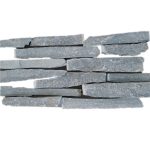
4. Weathered Surfaces: Over time, cultured stone surfaces may weather and lose their original luster. To restore the stone's appearance, consider using a stone polish or enhancer to bring out the natural colors and textures. Follow the product instructions for application and buff the surface to a desired shine.
Preventative Maintenance Tips
In addition to regular cleaning, sealing, and repairs, there are several preventative maintenance measures you can take to prolong the life and beauty of your cultured stone surfaces:
1. Avoid Harsh Chemicals: When cleaning cultured stone, avoid using acidic or abrasive cleaners, as these can damage the stone's surface and finish. Stick to mild detergents, stone cleaners, or natural solutions like vinegar and water.
2. Protect Against Staining: To prevent staining from oil, grease, or other contaminants, consider applying a quality sealer to your cultured stone surfaces. Sealing the stone will create a protective barrier that repels liquids and makes cleaning easier.
3. Monitor and Address Issues Promptly: Keep an eye on your cultured stone surfaces for signs of damage, discoloration, or wear. Address any issues promptly to prevent further deterioration and maintain the stone's integrity.
4. Trim Vegetation: If you have cultured stone installed near landscaping or vegetation, be sure to trim back plants, shrubs, and trees to prevent contact with the stone. Overhanging branches or vines can introduce moisture, debris, or staining agents to the stone surface.
5. Professional Inspection: Periodic inspections by a qualified stone maintenance professional can help identify potential issues early and recommend appropriate maintenance or repairs. Consider scheduling a professional assessment of your cultured stone surfaces every few years.
Conclusion
Cultured stone is a versatile and durable building material that can enhance the beauty and value of your home or property. By following the proper maintenance practices outlined in this guide, you can keep your cultured stone surfaces looking their best for years to come. From routine cleaning and sealing to repairs and preventative measures, taking care of your cultured stone is essential to preserving its appearance and longevity. Whether you're a homeowner, builder, or property manager, investing time and effort in maintaining your cultured stone will pay off in the form of lasting beauty and enjoyment.
Cultured stone, also known as manufactured stone or faux stone, is a popular choice for homeowners and builders looking to achieve the look of natural stone at a more affordable price. Made from a mixture of cement, aggregates, and iron oxide pigments, cultured stone is designed to mimic the appearance of real stone while offering improved durability and easier installation. While cultured stone is known for its low maintenance requirements compared to natural stone, proper care and maintenance are still essential to ensure its longevity and aesthetic appeal. In this comprehensive guide, we will delve into the various aspects of cultured stone maintenance, including cleaning, sealing, repairs, and preventative measures.
Cleaning Cultured Stone
Regular cleaning is key to keeping cultured stone looking its best and preventing the buildup of dirt, grime, and other contaminants. Here are some recommended cleaning methods for maintaining your cultured stone surfaces:
1. Routine Cleaning: To remove everyday dirt and debris, use a mild detergent or stone cleaner diluted in water. Avoid harsh chemicals or abrasive cleaners, as these can damage the stone's surface. Simply apply the cleaning solution with a soft brush or cloth, then rinse thoroughly with water.
2. Pressure Washing: For more stubborn stains or hard-to-reach areas, a pressure washer can be used to clean cultured stone surfaces. Use a low-pressure setting and keep the nozzle at a safe distance to avoid damaging the stone. Be sure to follow the manufacturer's guidelines and test a small area first to ensure compatibility.
3. Mold and Mildew Removal: Cultured stone is susceptible to mold and mildew growth, especially in damp or shaded areas. To remove mold and mildew, mix a solution of water and white vinegar or a commercial mold remover. Apply the solution to the affected area, scrub gently with a brush, then rinse thoroughly.
4. Stain Removal: For stubborn stains such as grease, oil, or rust, specialized stain removers designed for stone surfaces can be used. Follow the manufacturer's instructions carefully and test the product on a small, inconspicuous area first to avoid discoloration or damage.
Sealing Cultured Stone
Sealing cultured stone is an important step in protecting the surface from water infiltration, staining, and other damage. While cultured stone is generally more resistant to staining than natural stone, applying a sealer can provide an extra layer of protection and enhance the stone's appearance. Here are some tips for sealing cultured stone:
1. Choose the Right Sealer: There are various types of sealers available for cultured stone, including penetrating sealers, surface sealers, and enhancing sealers. Penetrating sealers are absorbed into the stone to provide long-lasting protection without altering the stone's natural appearance. Surface sealers create a protective barrier on the stone's surface, while enhancing sealers add a subtle sheen or color enhancement.
2. Test the Sealer: Before applying the sealer to the entire surface, it's essential to test it on a small, inconspicuous area to ensure compatibility and desired results. Follow the manufacturer's instructions for application and drying times.
3. Clean and Prepare the Surface: Before sealing, ensure the cultured stone surface is clean and free of dirt, debris, and stains. Allow the stone to dry completely before applying the sealer.
4. Apply the Sealer: Using a brush, roller, or sprayer, apply the sealer evenly to the cultured stone surface, working in small sections at a time. Avoid puddling or overlapping the sealer to prevent streaks or uneven coverage. Allow the sealer to dry completely before applying additional coats if necessary.
5. Maintain Regularly: Depending on Stone veneer for commercial buildings of sealer used, periodic reapplication may be required to maintain the protective barrier and appearance of the cultured stone. Follow the manufacturer's recommendations for resealing frequency.
Repairing Cultured Stone
Despite its durability, cultured stone may require repairs over time due to factors such as impact damage, weathering, or improper installation. Here are some common repair techniques for addressing minor issues with cultured stone surfaces:
1. Cracks and Chips: Small cracks or chips in cultured stone can be repaired using a specialized stone repair epoxy or filler. Clean the damaged area, apply the epoxy or filler according to the manufacturer's instructions, then smooth and blend the repair with the surrounding stone surface.
2. Stains and Discoloration: Stubborn stains or discoloration on cultured stone can sometimes be remedied with a poultice or stain remover designed for stone surfaces. Follow the product instructions carefully and test on a small area first to avoid further damage.
3. Loose or Damaged Stones: If a cultured stone becomes loose or dislodged, it should be reattached using a suitable adhesive or mortar recommended for stone installation. Clean the area, apply the adhesive or mortar, then press the stone back into place and allow it to set properly.
4. Weathered Surfaces: Over time, cultured stone surfaces may weather and lose their original luster. To restore the stone's appearance, consider using a stone polish or enhancer to bring out the natural colors and textures. Follow the product instructions for application and buff the surface to a desired shine.
Preventative Maintenance Tips
In addition to regular cleaning, sealing, and repairs, there are several preventative maintenance measures you can take to prolong the life and beauty of your cultured stone surfaces:
1. Avoid Harsh Chemicals: When cleaning cultured stone, avoid using acidic or abrasive cleaners, as these can damage the stone's surface and finish. Stick to mild detergents, stone cleaners, or natural solutions like vinegar and water.
2. Protect Against Staining: To prevent staining from oil, grease, or other contaminants, consider applying a quality sealer to your cultured stone surfaces. Sealing the stone will create a protective barrier that repels liquids and makes cleaning easier.
3. Monitor and Address Issues Promptly: Keep an eye on your cultured stone surfaces for signs of damage, discoloration, or wear. Address any issues promptly to prevent further deterioration and maintain the stone's integrity.
4. Trim Vegetation: If you have cultured stone installed near landscaping or vegetation, be sure to trim back plants, shrubs, and trees to prevent contact with the stone. Overhanging branches or vines can introduce moisture, debris, or staining agents to the stone surface.
5. Professional Inspection: Periodic inspections by a qualified stone maintenance professional can help identify potential issues early and recommend appropriate maintenance or repairs. Consider scheduling a professional assessment of your cultured stone surfaces every few years.
Conclusion
Cultured stone is a versatile and durable building material that can enhance the beauty and value of your home or property. By following the proper maintenance practices outlined in this guide, you can keep your cultured stone surfaces looking their best for years to come. From routine cleaning and sealing to repairs and preventative measures, taking care of your cultured stone is essential to preserving its appearance and longevity. Whether you're a homeowner, builder, or property manager, investing time and effort in maintaining your cultured stone will pay off in the form of lasting beauty and enjoyment.
